

Expert Perspectives


Mineral Güneş Kremi Nedir? Neden Son Yıllarda Bu Kadar Öneriliyor?
Güneş koruyucu seçerken son yıllarda en sık duyulan sorulardan biri şu oluyor: mineral güneş kremi nedir ve neden bu kadar çok öneriliyor? Özellikle hassas cilt yapısına sahip kişiler, bebekler, çocuklar ve işlem görmüş ciltler için dermatologlar ve eczacılar tarafından mineral filtreli ürünler daha sık tavsiye ediliyor.
Learn more
Medical and Dermocosmetic Solutions for Scars
Scars are fibrotic tissues with a structure different from normal skin that emerge during the repair process following skin tissue damage; they can also be defined as wound marks. They generally form after inflammatory processes such as trauma, surgical procedures, burns, or acne (1). Various medical and dermocosmetic solutions are available for scars. The concept of “medical” refers to treatment methods prescribed by health professionals or applied in clinical settings, with scientifically proven efficacy and safety (2). In contrast, the term “dermocosmetic” defines products where pharmaceutical and cosmetic ingredients merge to support skin health and improve aesthetic appearance (3). In recent years, a notable market growth has been observed globally in the field of scar and wound treatment. In particular, increasing aesthetic awareness, the influence of social media, and the strengthening of personal care culture have accelerated consumer interest in both medical and dermocosmetic solutions (4). Additionally, trends like “clean beauty” and “science-backed skincare” lead consumers toward reliable, clinically tested products with sustainable ingredients (5). Scar Types and Their Impact on Treatment Scars are primarily classified into three types: atrophic, hypertrophic, and keloid. Treatment methods vary depending on these different types (6). Differences Between Atrophic, Hypertrophic, and Keloid Scars Atrophic scars usually form after acne or chickenpox and exhibit a sunken appearance due to collagen loss; dermocosmetic approaches and skin-renewing products can be more effective for these types (7). Hypertrophic scars, on the other hand, become prominent with thick fibrotic tissues without exceeding the boundaries of the wound line and generally respond well to silicone-based scar creams or medical laser treatments (8). Keloids are lesions that grow beyond the wound boundaries with aggressive fibroblast activity and frequently require intralesional corticosteroid injections or combined medical scar treatment (9). Treatment Plan According to Scar Depth and Skin Type Success in scar treatment depends on creating a personalized plan that considers the depth and spread of the lesion, as well as the individual's skin type (10). While superficial and epidermal-level scars generally respond well to treatment with dermocosmetic scar products, regenerative creams, and topical agents, medical scar treatments such as fractional laser, microneedling, or intralesional injections are preferred for deeper dermal or subdermal scars. The treatment plan should be determined through a multidisciplinary approach, taking into account scar morphology, skin sensitivity, and patient expectations (11). Medical Treatment Methods Medical treatment methods are primarily diversified as laser therapy, microneedling, PRP applications, and surgical revision. Laser Therapy, Microneedling, and PRP Applications Laser therapy is one of the most effective medical methods used to reduce excessive collagen accumulation in scar tissue and reshape the skin surface. Fractional carbon dioxide (CO₂) and Erbium:YAG lasers stimulate the renewal process in the skin by creating controlled microthermal damage, providing significant improvement, especially in hypertrophic and atrophic scars (12). The microneedling method increases collagen and elastin production by opening minimally invasive microchannels in the epidermis; compared to laser therapy, the healing time is shorter and the risk of side effects is lower. PRP (Platelet-Rich Plasma) applications involve injecting concentrated plasma obtained from the patient's own blood under the skin to activate growth factors, supporting fibroblast activity in scar healing. These three methods show high success rates in reducing the appearance of scars when applied alone or in combined protocols (13). Surgical Interventions and Post-Operative Care Surgical interventions are advanced treatment methods applied to deep or wide scar tissues to restore aesthetic appearance and functional movement. Techniques such as excision, Z-plasty, or tissue expansion are used to remove scar tissue and reshape the surrounding skin (9). However, because surgical treatment creates a new wound line, post-operative care is of critical importance; silicone-based dressings, sunscreens, and regular use of scar cream reduce the risk of recurrence and support the healing process (8). The Importance of Dermatological Supervision Dermatological supervision in scar treatment is of great importance for accurate diagnosis, appropriate treatment selection, and the prevention of potential complications (2). Products or procedures applied to scars without professional evaluation can lead to undesirable results (6). Regular check-ups ensure that the response to treatment is monitored and, if necessary, medical and dermocosmetic approaches are applied together. Scar Care with Dermocosmetic Products Scar care with dermocosmetic products is an approach that supports the wound healing process, strengthens the skin barrier, and improves aesthetic appearance as a complement to medical treatments. Scar Creams, Silicone-Based Gels, and Skin-Renewing Serums Scar creams and silicone-based gels are among the most recommended dermocosmetic agents that regulate collagen synthesis by maintaining moisture balance during the proliferative stage of wound healing (14). The silicone layer reduces transepidermal water loss and balances fibroblast activity in the scar tissue, softening the appearance of the mark. Additionally, skin-renewing serums—especially formulations containing peptides, retinoids, Vitamin C, and hyaluronic acid—accelerate epidermal renewal, reduce pigment irregularities, and increase the scar's harmony with surrounding tissue (15). With regular use, these products provide visible improvement in both aesthetic appearance and tissue quality (4). Formulas Containing Retinol, Vitamin C, and Peptides Retinol regulates the irregular collagen distribution in scar tissue by accelerating cell renewal. Vitamin C neutralizes free radicals with its antioxidant effect and reduces color differences around the scar by suppressing melanin synthesis (16). Peptide complexes support the formation of new, smoother connective tissue by increasing fibroblast activation (17). The combination of these active ingredients can significantly improve scar appearance with long-term use. Importance of Regular Use and Sun Protection Regular product use and sun protection are two fundamental factors that directly affect treatment success in scar care. Sunlight, especially in the UVB spectrum, can cause hyperpigmentation in the scar area by increasing melanin production (18). Therefore, regular use of sunscreens with SPF 30 or higher supports the effect of dermocosmetic scar products and prevents color inequality (10). Furthermore, it is critical for active ingredients to remain on the skin for a sufficient period to regulate collagen synthesis and sustain structural improvement (11). Differences Between Medical and Dermocosmetic Solutions The fundamental difference between medical and dermocosmetic solutions lies in the depth of intervention, duration of effect, and application method; these two approaches often yield more balanced results when used together (18). Level of Intervention and Duration of Effect Medical treatments act on deeper layers of the skin, directly regulating fibroblast activity and can therefore provide lasting results (10). In contrast, dermocosmetic products soften the appearance over time by repairing at the epidermis level; the duration of effect depends on the frequency of regular use (16). Generally, medical interventions give fast results within a few sessions, while dermocosmetic scar products offer supportive care in the long run (8). Professional Application vs. Home Care Professional applications offer high efficacy but are more intensive in terms of the healing process and cost. Home care dermocosmetic products, such as silicone-based gels and serums containing retinol and peptides, provide slower but safer progress (15). Which One to Choose in Which Situation? The type and depth of the scar, as well as the skin structure, are decisive factors in treatment choice. While dermocosmetic products are usually sufficient for superficial and newly formed marks, medical intervention is required for thick or retractile (contracted) scars (18). Skin color, healing speed, and patient expectations also influence the treatment plan (10). In most cases, dermatologists recommend a combined approach (a protocol starting with medical treatment and sustained with dermocosmetic products) as the most efficient solution (8). Examples from YA DA Cosmetic Products YA DA Multicosmetics provides effective care support for scars, as it does for most skin problems, with its scientifically rich products. Examples of Products with Dermocosmetic Ingredients From the Remedium series by YA DA Multicosmetics, the purifying cleansing foam, moisturizing and repair-supporting night ointment, skin-renewing body lotion, and SOS care cream (which helps alleviate irritation caused by dryness) are highly effective for scars and scar marks. Usage Scenarios: New Scars, Old Acne Marks, Surgical Scars For new scars, the most effective product is the Remedium SOS Repairing Care Cream. Care can be supported by washing with the Remedium Repairing Cleansing Foam. For crusty or cracked scars, Remedium Night Ointment should be preferred. For old acne marks, results can be achieved in a short time by applying Remedium Night Ointment in a thicker layer than normal skin. If there is hyperpigmentation in the mark, additional use of Viniferine Tonic and Cream is appropriate. Recommendations for Combining Products The best combination for newly formed scar marks consists of the SOS Repairing Care Cream and the Repairing Cleansing Foam. After some time has passed, Night Ointment can be added to this combination. For darkening problems in marks, products from the Viniferine series can be included in the routine; they will provide a supportive effect during the process. Scientific Data and Safety The reliability of products used in scar treatment should be evaluated not only by their clinical efficacy but also by the scientific data supporting them (19). Today, it has become mandatory to check dermocosmetic products for ingredient safety and prepare supporting documentation before they hit the market (20). Importance of Dermatological Tests Dermatological tests are scientific safety evaluations used to determine whether a product causes irritation, sensitivity, or allergies when in contact with the skin (19). These tests are of great importance, especially for products like scar creams and skin-renewing serums, because the skin barrier is weakened in damaged tissue (20). Ingredient Safety, Allergy Tests, and Evidence of Efficacy For a dermocosmetic product to be considered reliable, a "clean" ingredient list is not enough; allergy tests and evidence of efficacy must also be provided (18). Clinical studies have shown that most silicone-based formulas and antioxidant-rich serums exhibit high tolerability (20). However, caution is advised for long-term use of products containing potential irritants such as parabens, fragrances, or alcohol. Label Reading Guide Reading the label correctly when choosing a scar product is critical for both safety and efficacy (21). Phrases like “Dermatologically tested,” “hypoallergenic,” or “non-comedogenic” indicate that the product meets specific clinical criteria (22). Furthermore, since ingredients listed at the beginning of the list usually make up the bulk of the formula, it gives an idea of the ratio of actives such as niacinamide or Vitamin C. Expert Advice and User Recommendations Success in scar treatment is achieved not only by choosing the right product but also by considering individual skin characteristics. Since every individual's skin type, wound healing speed, and sensitivity differ, personalizing the treatment plan is of great importance. Recommendations from expert dermatologists prevent the use of the wrong products while making the treatment process safe and effective. Identifying the Solution Suitable for Skin Type Every skin type reacts differently to treatment; therefore, identifying personal characteristics is the first step in scar care. For oily or acne-prone skin, non-comedogenic formulas that do not clog pores are preferred; for dry and sensitive skin, products that strengthen the moisture barrier are more suitable (18). To find the right products for sensitive skin, be sure to read our guide titled Atopic Skin and the Right Approach. Skin undertone, sebum balance, and sensitivity level directly affect both the duration and effectiveness of the treatment. Dermatologist Opinion Before Starting Treatment Getting a professional opinion from a dermatologist before starting scar treatment is critical to avoiding incorrect product selection and potential allergic reactions. The expert determines the appropriate medical or dermocosmetic method based on the type and depth of the scar and the skin structure. This shortens the treatment period and prevents unnecessary product overloading. The Importance of Patience, Consistency, and Regular Care Scar treatment is a long-term process; therefore, patience and consistency are essential elements for success. Clinical data shows that the efficacy of silicone-based gels and regenerative serums usually becomes apparent after several weeks (18). Regular application, sun protection, and moisturizing habits support the treatment in yielding lasting results (20). REFERENCES 1) Gauglitz, G. G., et al. (2011). Hypertrophic scarring and keloids: Pathomechanisms and current and emerging treatment strategies. Molecular Medicine, 17(1–2), 113–125. 2) Lupo, M. P., & Cole, A. L. (2007). Cosmeceutical peptides. Dermatologic Therapy, 20(5), 343–349. 3) Dreno, B., et al. (2019). Safety and efficacy of dermocosmetics in acne management. Journal of the European Academy of Dermatology and Venereology, 33(S6), 34–40. 4) Grand View Research. (2024). Scar treatment market size, share & trends analysis report by product, by application, by end-use, and segment forecasts, 2024–2030. 5) Euromonitor International. (2023). Beauty and personal care: Global industry overview. 6) Atiyeh, B. S., et al. (2005). Hypertrophic scars and keloids: Update and review of the literature. Aesthetic Plastic Surgery, 29(6), 643–652. 7) Jacob, C. I., et al. (2001). Acne scarring: A classification system and review of treatment options. Journal of the American Academy of Dermatology, 45(1), 109–117. 8) Mustoe, T. A., et al. (2002). International clinical recommendations on scar management. Plastic and Reconstructive Surgery, 110(2), 560–571. 9) Ogawa, R. (2017). Keloid and hypertrophic scars are the result of chronic inflammation in the reticular dermis. International Journal of Molecular Sciences, 18(3), 606. 10) Gold, M. H. (2019). Scars: An overview of assessment, classification, and treatment for clinical practice. Dermatology and Therapy, 9(3), 333–346. 11) Manuskiatti, W., & Fitzpatrick, R. E. (2002). Treatment response of keloidal and hypertrophic sternotomy scars: Comparison among intralesional corticosteroid, 585-nm flashlamp-pumped pulsed-dye laser, and combined treatment. Archives of Dermatology, 138(9), 1149–1155. 12) Waibel, J. S., & Beer, K. (2011). Ablative fractional laser resurfacing for the treatment of a traumatic scar. Lasers in Surgery and Medicine, 43(4), 265–269. 13) Aust, M. C., et al. (2010). Percutaneous collagen induction therapy: An alternative treatment for burn scars. Burns, 36(6), 836–843. 14) O’Brien, L., & Pandit, A. (2006). Silicon gel sheeting for preventing and treating hypertrophic and keloid scars. Cochrane Database of Systematic Reviews, (1), CD003826. 15) Zasada, M., et al. (2020). Topical treatments improving skin regeneration. Advances in Dermatology and Allergology, 37(5), 661–667. 16) Nusgens, B. V., et al. (2001). Influence of topical vitamin C on dermal collagen synthesis. Journal of Investigative Dermatology, 116(6), 853–859. 17) Katayama, K., et al. (1993). New class of growth factors for fibroblasts: TGF-β–induced peptides. Journal of Biological Chemistry, 268(24), 18033–18038. 18) Berman, B., & Maderal, A. (2017). Clinical, Cosmetic and Investigational Dermatology, 10, 135–146. 19) Draelos, Z. D. (2019). The science behind skin care: Moisturizers. Journal of Cosmetic Dermatology, 18(4), 1029–1035. 20) Draelos, Z. D. (2019). The science behind skin care: Moisturizers. Journal of Cosmetic Dermatology, 18(4), 1029–1035. 21) Draelos, Z. D. (2019). Consumer interpretation of cosmetic labeling. Journal of Cosmetic Dermatology, 18(4), 1023–1028. 22) Elsner, P., & Maibach, H. I. (2017). Cosmetics and Dermatologic Problems and Solutions. CRC Press.
Learn more
What is Retinol? Proper Skin Barrier Repair
A derivative of Vitamin A (retinoid), Retinol is one of the most effective topical agents in skincare for reducing the signs of photoaging (sun-induced aging) and chronological aging (1). It is a lipophilic molecule that easily penetrates the epidermis. It has the capacity to significantly improve the appearance of wrinkles and fine lines by accelerating the renewal cycle of skin cells and stimulating collagen production in the dermis (2). However, when using powerful active ingredients like Retinol, maintaining the health of the stratum corneum—the outermost layer of the epidermis—is of critical importance (3). The skin barrier is a fundamental defense mechanism that keeps moisture in by regulating transepidermal water loss (TEWL) and provides protection against environmental factors (3). Side effects such as redness and peeling, commonly seen at the beginning of retinol application, may indicate a temporary disruption of this barrier function (3,4). Therefore, the correct and safe use of retinol is vital for both increasing its effectiveness and protecting the skin barrier. For safe use, steps such as starting with low concentrations, prioritizing nighttime use, supporting with moisturizers, and always using sunscreen should be followed. FREQUENTLY ASKED QUESTIONS There are certain questions that come to everyone's mind regarding the use of retinol. Let's take a look at these questions together. Which skin concerns is retinol suitable for? 1) Acne vulgaris (adolescent / adult acne) and comedones Acne vulgaris is a common skin problem that frequently affects adolescents and young adults. Its primary symptoms include the excessive accumulation of skin cells in hair follicles (follicular dyskeratosis), increased sebum (oil) production, and inflammation triggered by the Cutibacterium (formerly Propionibacterium) acnes bacteria living inside the hair follicle (5). Retinoids derived from Vitamin A are considered one of the fundamental treatment options for acne because they directly impact these root causes (5). Retinoids help regulate the main mechanisms involved in the onset of acne, specifically follicular dyskeratosis, which refers to the accumulation of dead cells that clog pores (5). 2) Photo-aging / Signs of natural aging (fine lines, wrinkles, irregular skin texture, pigment irregularities) There are studies showing that retinol both accelerates the epidermal cell cycle and can increase collagen production in the dermis, thereby reducing wrinkles associated with sun damage (6). In one study, improvement in fine wrinkles was observed after 24 weeks of retinol use (7). 3) Pigmentation (spots), post-inflammatory hyperpigmentation (PIH) Topical retinoids have been shown to reduce the transfer of melanosomes, which carry pigment to skin cells, thereby helping to improve the appearance of spots. One study reported that formulations containing retinol at concentrations of 0.3% and 0.5% provided significant improvement in dark pigmented areas (8). However, more intense side effects were observed at the 0.5% retinol concentration compared to 0.3% (8). Furthermore, both concentrations yielded similar results after 12 weeks (8). The lower concentration provided better results relative to the high concentration due to tolerability (8). 4) Improving skin texture (smoothness, pore appearance, evening skin tone) Retinol's support of cell renewal allows the upper layers of the epidermis to shed faster, ultimately contributing to a smoother skin appearance (1). Is it safe to use retinol on sensitive skin? The term “sensitive skin” generally refers to skin with a weak barrier and high reactivity (prone to redness, stinging, or burning). Applying active ingredients to such skin types can result in irritation more easily. Retinol can be used safely on sensitive skin, but this safety is not as risk-free as it is for "normal" skin. The risk of irritation can be significantly reduced with the appropriate concentration, slow adaptation, and supportive care (9). How often should retinol be applied? While there is no definitive "one size fits all" rule for the frequency of topical retinol use, there are accepted recommendations to maximize effectiveness while minimizing the risk of irritation. According to a review article, topical retinoids should be applied in a thin layer to clean, dry skin at night. In the initial stage, one should start with a lower concentration and low frequency of use; if the skin adapts, daily use can be initiated (10). According to clinical guidelines, use is generally recommended every two or three nights for the first few weeks; if the skin tolerates it well, the frequency is increased (11). However, the frequency of use rule is still not the same for everyone. CORRECT USE AND CONCENTRATION The correct use and concentration of any ingredient applied to the skin are of great importance. Active ingredients like Retinol require even more careful application. Starting with low concentration A study published in the Journal of Drugs in Dermatology (2024) stated that 0.1% stabilized retinol provided significant improvement in photo-aging signs, but irritation was mild and temporary (12). Researchers emphasized that this low concentration is the most suitable starting point for both efficacy and tolerance (12). Starting retinol at a low concentration reduces irritation by protecting the skin barrier, increases long-term tolerance, and ensures that the effectiveness is sustainable. This gradual transition, recommended by dermatology experts, is the safest and most science-based approach to retinol use. Night routine and application methods Because retinol can easily degrade with light and oxygen and temporarily makes the skin more sensitive to UV rays, it is recommended to be used only at night (12). Accordingly, the application plan could be as follows: For new users or sensitive skin, start with a low-concentration application one night per week. If there are no tolerance issues such as redness, burning, or flaking, increase to 2–3 nights per week. If the skin tolerates it completely, you can switch to every-night use. However, for sensitive skin, those prone to irritation, or those applying intense exfoliation/peeling, usage can be maintained every second night or every few nights instead of every night. In all cases, it is important not to neglect the use of moisturizer after application and broad-spectrum sunscreen during the day. SUPPORTIVE CARE TO PROTECT THE SKIN BARRIER Combination with moisturizing and soothing products Retinol is a powerful active ingredient that accelerates skin renewal, but due to this property, it can cause temporary dryness, peeling, and sensitivity in the skin barrier. For this reason, it is strictly recommended to be used alongside moisturizing and soothing ingredients. This combination maintains efficacy while increasing skin tolerance. Using moisturizers containing supportive ingredients like ceramides, hyaluronic acid, and niacinamide, or soothing agents (such as Remedium Night Ointment) in the post-retinol routine, allows for safer benefit from the active ingredient by reducing potential side effects. Use of sunscreen It is strongly recommended that individuals using retinol use a broad-spectrum sunscreen with at least SPF 30 in their daytime routines. A study published in the Journal of the American Academy of Dermatology showed that regular sunscreen use during retinoid treatment reduces the risk of photo-damage and supports the anti-aging effects of retinol (13). If you are going outdoors the day after using retinol, sunscreen use is essential for sensitized skin care. USAGE RECOMMENDATIONS BY AGE AND SKIN TYPE Sensitive / Atopic Skin Great care should be taken when using retinol on sensitive or atopic skin types, and retinol should not be preferred if not necessary. These skin types generally have a weakened skin barrier and increased transepidermal water loss (TEWL) (4). According to a review in Dermatologic Therapy (2021), low-concentration (0.1–0.3%) and encapsulated retinol forms should be preferred for these skin types; additionally, it is recommended that the formulation includes barrier-supporting components such as ceramides, panthenol, and niacinamide (4). Applying moisturizer before and after retinol increases tolerance by reducing the risk of irritation. Normal to Oily, Acne-Prone Skin With its comedolytic and sebum-balancing properties, retinol is one of the effective topical agents for acne-prone skin. On oily skin, retinol reduces the appearance of pores and smooths skin texture. These skin types are generally more resilient to retinol; however, the frequency of use should be limited to 2–3 times a week for the first 2–3 weeks, after which retinol can become a permanent part of the nightly skincare routine. Seasonal Needs and Skin Barrier Support Retinol use should also be adjusted seasonally. In winter months, since low humidity and wind can weaken the skin barrier, richer moisturizers should be preferred. In summer months, the use of SPF 50+ sunscreen is necessary; if needed, the frequency of retinol can be reduced to lower the risk of irritation and photosensitivity (13). APPROPRIATE CHOICES FROM “YA DA” PRODUCTS There are many ingredients that can be used before switching to retinol in skincare. Since retinol is a strong active ingredient, it has a high probability of creating sensitivity. Resveratrol, which strengthens the skin barrier and delays aging, can be preferred as a safer alternative. The patented ε-Viniferin in the YA DA Viniferine series is a phenol belonging to the stilbenoid family. It is a resveratrol dimer. It helps reduce the appearance of dark spots and even out skin tone. Examples of retinol products, usage scenarios, and recommendations A comprehensive study of products shows that many retinol-containing items are supported by the addition of other ingredients. A published review also found that topical formulations with retinoids utilize improved technologies and delivery systems to reduce irritation (4). Findings show that the following methods can be used to reduce irritation: developing drug delivery systems in the formulation, encapsulating retinoids, converting retinoids into nanoparticles, creating complexes (e.g., with cyclodextrin) and binding retinoids to carriers (e.g., polymers, NLC, SLN), adding anti-irritant components to formulations, and improving the skin barrier and hydration (e.g., combinations of glucosamine, trehalose, ectoin, sucralfate, omega-9, and 4-t-butylcyclohexanol, or adding ethanolic bark extract of Alstonia scholaris R. Br) (4). In summary, choosing products in these forms can provide a more comfortable user experience. EXPERT & USER ADVICE Using retinol is a process that must be started carefully and consciously, as it is an active ingredient with high skin-regenerating power. Since every individual's skin type, tolerance, and age-related needs differ, needs-based selection is important. Starting with a patch test and small trials In the initial stage, performing a patch test on a small area such as the inner wrist, behind the ear, or the jawline for 24–48 hours helps prevent potential allergic reactions (14). Making a needs-based choice When choosing retinol products, skin type, age, previous use of active ingredients, and specific skin concerns (e.g., acne, wrinkles, spots) should be considered. While lightweight serum formulas are preferred for oily and acne-prone skin, moisturizer-based retinol formulations containing niacinamide or ceramides are recommended for dry or sensitive skin (4,15). Choosing a formula suitable for the skin type increases treatment compliance and success (4,15). Dermatologist opinion and regular follow-up Retinol and its derivatives (retinoids) are actives that show individual differences in tolerance as much as they are highly effective. For this reason, it is of great importance to start under the supervision of a dermatologist and to determine the concentration and frequency of use personally. Expert control ensures early detection of unwanted effects such as irritation, skin peeling, or photosensitivity. Regular dermatological follow-up both increases product effectiveness and helps protect the skin barrier. CONCLUSION Retinol is a dermatologically accepted active ingredient with effects that support cell renewal, increase collagen synthesis, and improve skin texture. However, this powerful effect provides safe and efficient results only when supported by the correct concentration, regular use, and product selection suitable for the skin type. Proceeding with a low dose initially, combining with moisturizing and soothing ingredients, and not neglecting the use of sunscreen increases the long-term benefits of retinol by reducing its irritation potential. Creating a personalized usage plan under the guidance of a dermatologist, taking into account skin type, age, and individual tolerance differences, is the safest way to gain maximum benefit from both the anti-aging and skin-renewing effects of retinol. REFERENCES 1) Zasada M, Budzisz E. Retinoids: active molecules influencing skin structure formation in cosmetic and dermatological treatments. Postepy Dermatol Alergol. 2019 Aug;36(4):392-397. doi: 10.5114/ada.2019.87443. 2) Sorg, O., Antille, C., Kaya, G. and Saurat, J.-H. (2006), Retinoids in cosmeceuticals. Dermatologic Therapy, 19: 289-296. https://doi.org/10.1111/j.1529-8019.2006.00086.x 3) Elias, Peter. (2007). Elias PMThe skin barrier as an innate immune element. Sem Immunopath 29:3-14. Seminars in immunopathology. 29. 3-14. 10.1007/s00281-007-0060-9. 4) Narsa AC, Suhandi C, Afidika J, Ghaliya S, Elamin KM, Wathoni N. A Comprehensive Review of the Strategies to Reduce Retinoid-Induced Skin Irritation in Topical Formulation. Dermatol Res Pract. 2024 Aug 17;2024:5551774. doi: 10.1155/2024/5551774. 5) Chien A. Retinoids in Acne Management: Review of Current Understanding, Future Considerations, and Focus on Topical Treatments. J Drugs Dermatol. 2018 Dec 1;17(12):s51-55. 6) Mukherjee S, Date A, Patravale V, Korting HC, Roeder A, Weindl G. Retinoids in the treatment of skin aging: an overview of clinical efficacy and safety. Clin Interv Aging. 2006;1(4):327-48. doi: 10.2147/ciia.2006.1.4.327. 7) Kafi R, Kwak HSR, Schumacher WE, et al. Improvement of Naturally Aged Skin With Vitamin A (Retinol). Arch Dermatol. 2007;143(5):606–612. doi:10.1001/archderm.143.5.606 8) Zasada M, Budzisz E, Erkiert-Polguj A. A Clinical Anti-Ageing Comparative Study of 0.3 and 0.5% Retinol Serums: A Clinically Controlled Trial. Skin Pharmacol Physiol. 2020;33(2):102-116. doi: 10.1159/000508168. 9) Kim BH. Safety Evaluation and Anti-wrinkle Effects of Retinoids on Skin. Toxicol Res. 2010 Mar;26(1):61-6. doi: 10.5487/TR.2010.26.1.061. 10) Chng WQ, Samuel M, Naidoo K, Jaffar H, Khor IW, Yiong Huak C, Watson REB, De Mozzi P, Tam WWS, Camargo CP, Leong WMS. Topical treatments and skin‐resurfacing techniques for skin ageing. Cochrane Database Syst Rev. 2021 Aug 19;2021(8):CD014391. doi: 10.1002/14651858.CD014391. 11) https://britishcosmderm.com/resource/topical-retinoids 12) Farris P, Berson D, Bhatia N, Goldberg D, Lain E, Mariwalla K, Zeichner J, Miller D, McGuire T, Kizoulis M. Efficacy and Tolerability of Topical 0.1% Stabilized Bioactive Retinol for Photoaging: A Vehicle-Controlled Integrated Analysis. J Drugs Dermatol. 2024 Apr 1;23(4):209-215. doi: 10.36849/JDD.8124. 13) Skin benefits of a retinol-containing daily moisturizer with photostable SPF-30 Journal of the American Academy of Dermatology, Volume 58, Issue 2, AB23 14) Leyden, James & Grove, Gary & Zerweck, Charles. (2004). Facial tolerability of topical retinoid therapy. Journal of drugs in dermatology : JDD. 3. 641-51. 15) Milosheska D, Roškar R. Use of Retinoids in Topical Antiaging Treatments: A Focused Review of Clinical Evidence for Conventional and Nanoformulations. Adv Ther. 2022 Dec;39(12):5351-5375. doi: 10.1007/s12325-022-02319-7.
Learn more
Do Collagen Supplements Actually Work?
As the most abundant protein in our bodies, collagen plays a vital role in various tissues—from our skin and bones to our joints and muscles. As we age, the production of this precious protein decreases, which can lead to issues such as wrinkles, joint pain, and connective tissue problems. Collagen supplements have become increasingly popular in recent years to slow down this process and alleviate signs of aging. Although it is naturally found in foods like meat, fish, bone broth, egg whites, dairy, and chicken skin, interest in supplements is growing thanks to the high bioavailability of collagen peptide forms (2). So, do these supplements actually work? Which form is most effective? You can discover everything you need to know about collagen peptides in this blog post. 1. What is Collagen and What is Its Role in the Body? Collagen maintains the body’s structural integrity and provides strength and flexibility to tissues. It is of great importance not only for aesthetic appearance but also for the healthy functioning of many physiological processes. To better understand the effects of collagen on health, you can find more details below regarding what it is and its duties in the body. What is collagen? Collagen is the most abundant structural protein in the human body and is one of the fundamental building blocks of skin, bone, muscle, tendon, and connective tissues (1). Its most significant benefit is supporting the strength of connective tissues and the mechanical properties of the skin, such as elasticity (3). Particularly in tendons, it makes up approximately 65-80% of the dry weight, determining the durability of these structures. It also plays a critical role in protecting tendon health and preventing muscle injuries by providing resistance against tensile forces (4,5,6). While a total of 28 different types of collagen have been identified to date, Types I, II, III, IV, and V are the most common and most researched in the body (22). Does collagen production decrease with age? Collagen production in the body begins to decrease naturally with age. This process usually starts gradually after the age of 25 and becomes more noticeable in the 30s. From the age of 40, the decline in collagen synthesis reaches significant levels (8). This drop in production is not only age-dependent; environmental factors such as excessive exposure to sunlight (especially UV rays), smoking, high sugar consumption, and chronic stress can also accelerate collagen breakdown (9). This reduction sets the stage for many age-related health issues, including skin wrinkles and spotting, joint stiffness, and the loss of elasticity in connective tissues (1). 2. What Do Collagen Supplements Promise? The most prominent claims regarding collagen supplements usually relate to skin health. However, positive effects on the joint and muscle systems are also frequently mentioned. Let’s take a closer look at these promises. Claims regarding skin health Collagen is the primary structural protein that ensures skin elasticity and firmness; it essentially acts as the skin's "scaffolding." As we age, collagen synthesis decreases, leading to skin weakening, loss of elasticity, and increased vulnerability to external factors. The most commonly used types for skin health are Type I and Type III collagen. Type I collagen stands out for its effects on firming the skin, reducing wrinkles, preventing hair loss, and strengthening nails (10). Type III collagen provides elasticity to the skin and supports the integrity of connective tissues and vascular structures. It is generally found alongside Type I, and when used together, they support a healthier, firmer, and more elastic skin appearance, often referred to as the "youth effect" (20). Effects on joint and muscle health Scientific studies have shown that Type II collagen supplementation can reduce pain in joint diseases like osteoarthritis and protect cartilage structure. It has also been observed to increase joint comfort in athletes and physically active individuals. In terms of muscle health, when used in conjunction with resistance training, it can help increase muscle mass and contribute to the repair of muscle damage after exercise. While collagen supplements support the body's own collagen production, they also contribute to muscle protein synthesis through the amino acids they contain (18,19). 3. What Does Scientific Research Say? The growing interest in collagen supplements has significantly increased the number of scientific studies conducted in this field. Let's examine the findings supported by clinical research and the latest data on which collagen form is more effective. Effects supported by clinical studies While scientific research offers some positive findings about collagen, results should be evaluated carefully. For example, a meta-analysis covering 26 randomized controlled trials found significant improvements in skin hydration and elasticity in individuals taking hydrolyzed collagen supplements. Similarly, individuals who were administered collagen supplements for 90 days showed a reduction in wrinkles and an increase in skin elasticity and moisture (20). However, a systematic review and meta-analysis published by Myung and Park (2025) in The American Journal of Medicine offers a different perspective. In this study, which evaluated 23 randomized controlled trials, it was reported that collagen supplements generally had positive effects on skin health. However, notably, none of these effects were confirmed in high-quality studies that were not industry-funded. Significant benefits were only reported in sponsored and lower-quality studies. Therefore, researchers stated that collagen supplements do not yet have a strong clinical basis for preventing or treating skin aging (21). Which form of collagen is more effective? The most effective form of collagen supplement is hydrolyzed collagen, also known as collagen peptides. This form has been broken down into small pieces through enzymatic processes and, thanks to its molecular weight of less than 2000 Daltons (Da), it is easily absorbed by the digestive system. Research has shown that hydrolyzed collagen has a 20-30% higher bioavailability compared to gelatin and native (natural) collagen forms. This allows it to be used more effectively by the body (11,12). 4. What to Consider When Choosing a Collagen Supplement? To gain maximum benefit from collagen supplementation, several important points should be considered. Since collagen molecules are large, they cannot penetrate the lower layers of the skin when applied topically and do not show a direct effect. However, they can indirectly support collagen production when combined with ingredients like Vitamin C, peptides, and hyaluronic acid. Therefore, for a deep and lasting effect, oral hydrolyzed collagen supplements with a molecular weight of less than 2000 Daltons (Da) should be preferred over creams and serums. Additionally, products that are patented and have proven efficacy in clinical studies should be chosen. Collagen synthesis is not limited to collagen intake alone; micronutrients like Vitamin C, zinc, copper, and hyaluronic acid, as well as amino acids like glycine, proline, and lysine, support this process. Specifically, Vitamin C is necessary for the enzymes involved in collagen synthesis to function. For this reason, Vitamin C should definitely be taken with collagen supplements; ideally, formulations containing Vitamin C should be preferred. The recommended age to start collagen supplementation is between 25-28, with daily doses between 5-10 grams recommended for at least 2-3 months of regular use. Personal factors must also be taken into account for the supplement to be effective. An individual’s age, gender, diet, existing diseases, allergy history, and lifestyle can all affect collagen needs and the resulting response. Therefore, the use of collagen supplements should be planned under a physician's supervision (8,11, 12,13,14,15). 5. Who is Collagen Supplementation Not Suitable For? Collagen supplements may not be suitable for everyone. Individuals with kidney and liver disease, pregnant and breastfeeding women, those with a history of cancer, and people with allergies to seafood or meat types (bovine, fish) should be cautious. Diabetic patients should also consult their doctor before using collagen. The risk of side effects may be higher in these groups. Therefore, it is best to consult a specialist before starting to use collagen. (7,16,17). Conclusion Whether collagen supplements are truly effective remains a focus of scientific research today. Although current data does not offer a definitive and universal answer, there are clinical studies reporting positive effects, particularly on parameters such as skin moisture, increased elasticity, and joint comfort. It is reported that regular use at sufficient doses can provide visible benefits for some individuals. However, it should not be forgotten that these effects can vary from person to person. Individual factors such as age, dietary habits, lifestyle, stress levels, and sleep quality directly influence how the body synthesizes and utilizes collagen. Furthermore, the form of the collagen supplement (e.g., hydrolyzed collagen peptide) and the combination of ingredients provided (Vitamin C, zinc, hyaluronic acid, etc.) play a decisive role in the bioavailability and effectiveness of the supplement. Consequently, collagen supplements should be approached not just as a cosmetic tool, but as a holistic approach to supporting general health. In conclusion, a supplementation process implemented with conscious product selection, science-based ingredients, regular use, and expert opinion when necessary, makes it possible to use collagen support more effectively and safely. References 1. Tazeoğlu, F., & Arıcı, M. Structure and properties of collagen. 2. Doğuer, Ç. (2024). Cellular aging and collagen. Health & Science 2023 Nutrition-IV, 133. 3. Ricard-Blum S. The collagen family. Cold Spring Harb Perspect Biol. 2011;3(1):a004978. 4. Frantz C, Stewart KM, Weaver VM. The extracellular matrix at a glance. Journal of Cell Science. 2010;123(24):4195-200 5. Kannus P. Structure of the tendon connective tissue. Scand J Med Sci Sports. 2000;10(6):312-20 6. Goes RA, Lopes LR, Cossich VRA, de Miranda VAR, Coelho ON, do Carmo Bastos R, et al. Musculoskeletal injuries in athletes from five modalities: a cross-sectional study. BMC Musculoskeletal Disorders. 2020;21:1-9 7. Özsoy, S., Ülker, Ö. C., & Üstündağ, A. (2024). Evaluation of oral collagen supplements and potential adverse effects. Journal of Faculty of Pharmacy of Ankara University, 48(3), 31-31. 8. Shin, S. H., Lee, Y. H., Rho, N. K., & Park, K. Y. (2023). Skin aging from mechanisms to interventions: focusing on dermal aging. Frontiers in Physiology, 14, 1195272. 9. Kang, S., Fisher, G. J., & Voorhees, J. J. (2001). Photoaging: pathogenesis, prevention, and treatment. Clinics in geriatric medicine, 17(4), 643-659. 10. Proksch, E., Schunck, M., Zague, V., Segger, D., Degwert, J., & Oesser, S. (2014). Oral intake of specific bioactive collagen peptides reduces skin wrinkles and increases dermal matrix synthesis. Skin pharmacology and physiology, 27(3), 113-119. 11. Wu, J., Fujioka, M., Sugimoto, K., Mu, G., & Ishimi, Y. (2004). Assessment of effectiveness of oral administration of collagen peptide on bone metabolism in growing and mature rats. Journal of bone and mineral metabolism, 22(6), 547-553. 12. Lee, J., Tang, J. C., Dutton, J., Dunn, R., Fraser, W. D., Enright, K., ... & Erskine, R. M. (2024). The collagen synthesis response to an acute bout of resistance exercise is greater when ingesting 30 g hydrolyzed collagen compared with 15 g and 0 g in resistance-trained young men. The Journal of nutrition, 154(7), 2076-2086. 13. Wang, H. (2021). A review of the effects of collagen treatment in clinical studies. Polymers, 13(22), 3868. 14. Zhang, J., Elango, J., Wang, S., Hou, C., Miao, M., Li, J., ... & Wu, W. (2022). Characterization of immunogenicity associated with the biocompatibility of type I collagen from tilapia fish skin. Polymers, 14(11), 2300. 15. Reilly, D. M., & Lozano, J. (2021). Skin collagen through the lifestages: importance for skin health and beauty. Plastic and Aesthetic Research, 8, N-A. 16. Mavrogeorgis, E., Mischak, H., Latosinska, A., Vlahou, A., Schanstra, J. P., Siwy, J., ... & Jankowski, J. (2021). Collagen-derived peptides in CKD: a link to fibrosis. Toxins, 14(1), 10. 17. Xu, S., Xu, H., Wang, W., Li, S., Li, H., Li, T., ... & Liu, L. (2019). The role of collagen in cancer: from bench to bedside. Journal of translational medicine, 17(1), 309. 18. Lugo, J. A., Salazar, R., Zavala, N., Rodríguez, O., Vargas, G., Lizárraga, L., ... & Sepúlveda11, M. International Journal of Medicine Sciences. 19. Zdzieblik, D., Oesser, S., Baumstark, M. W., Gollhofer, A., & König, D. (2015). Collagen peptide supplementation in combination with resistance training improves body composition and increases muscle strength in elderly sarcopenic men: a randomised controlled trial. British Journal of Nutrition, 114(8), 1237-1245. 20. de Miranda, R. B., Weimer, P., & Rossi, R. C. (2021). Effects of hydrolyzed collagen supplementation on skin aging: a systematic review and meta‐analysis. International journal of dermatology, 60(12), 1449-1461. 21. Myung, S. K., & Park, Y. (2025). Effects of Collagen Supplements on Skin Aging: A Systematic Review and Meta-analysis of Randomized Controlled Trials. The American Journal of Medicine. 22. Ricard-Blum, S. (2011). The collagen family. Cold Spring Harbor perspectives in biology, 3(1), a004978.
Learn more
What is Niacinamide? Is it Effective Against Skin Blemishes?
Niacinamide is a prominent active ingredient in skincare. This is due to its multifaceted effects, particularly on a variety of issues like uneven skin tone, acne scarring, and signs of aging (1). Research shows that with regular use, niacinamide helps reduce hyperpigmentation and soothe acne-related redness (3). What is Niacinamide? Niacinamide is a type of vitamin B3 that improves skin barrier function by strengthening the water and oil layer barrier that protects the skin, increases moisture in the skin, and is used in the treatment of skin problems such as acne and psoriasis. Key Properties of Niacinamide in Skin Care Niacinamide stands out as a versatile skin care ingredient thanks to its key properties such as strengthening the skin barrier, balancing sebum production, removing skin blemishes and supporting cellular regeneration. (4) Is Niacinamide Really Effective Against Skin Blemishes? Research findings reveal that niacinamide may be an effective and safe treatment option against skin blemishes (5). What Do Scientific Studies and Clinical Research Say? Niacinamide's effect on hyperpigmentation is scientifically supported, particularly through its ability to regulate melanin production (2). Clinical studies show that topical application of 5% niacinamide significantly reduces skin blemishes in as little as 4 to 8 weeks (6). You can explore niacinamide-containing products that help combat skin blemishes here. Niacinamide's Mechanism of Action on Blemishes Niacinamide's effect on skin blemishes is primarily based on its mechanism of inhibiting melanosomal transfer, which reduces skin surface discoloration (2). This process occurs through modulation of the pigment transport cascade rather than direct inhibition of the tyrosinase enzyme, allowing niacinamide to act without causing skin irritation (7). Other Important Skin Benefits of Niacinamide Niacinamide stands out for its versatile effects in combating not only blemishes but also various other skin problems (3). Research shows that this compound reduces acne by balancing sebum production, while also relieving symptoms like redness and sensitivity thanks to its anti-inflammatory effects (1). Strengthening the Skin Barrier and Reducing Sensitivity Niacinamide stands out for its ability to strengthen the skin barrier (8). This shows the potential to reduce irritation and increase tolerance, especially in dry, sensitive, or atopic-prone skin (1). Preventing Acne by Balancing Sebum Production One of the effects of niacinamide in preventing acne is its ability to balance excess sebum production in the skin. Controlling sebum secretion reduces the risk of acne by preventing comedone formation and bacterial proliferation (9). Uses of Niacinamide in Oral Care Besides its widespread use in skin care, niacinamide also offers potential benefits in oral health (10). Effects on Oral Health and Gums Niacinamide plays an important role in maintaining the integrity of the oral mucosa. It has also been shown to reduce the inflammatory response observed in gingivitis and contribute to the protection of periodontal tissues. Therefore, adequate niacinamide intake is important for both preventive and supportive oral care (10). Who Should Choose Oral Care Products Containing Niacinamide? Oral care products containing niacinamide are a suitable supplementary option, particularly for individuals experiencing frequent irritation, aphthous ulcers, or inflammation of the oral mucosa. They also offer benefits for individuals with gum sensitivity, a tendency to gingivitis, or a weakened immune system, due to their anti-inflammatory and cell-regeneration-promoting effects (11). How to Choose and Use Products Containing Niacinamide? The effectiveness of niacinamide-containing skin care products can vary depending on the concentration and formulation (4). Furthermore, establishing a personalized application routine based on frequency of use, skin type, and existing skin problems is critical for long-term success. The Importance of Concentration in Products Research suggests that niacinamide concentrations between 2% and 5% are the ideal range for both tolerance and clinical efficacy (1). These concentrations should be considered when selecting a product. How to Use Niacinamide-Containing Serums and Creams? Serums and creams containing niacinamide generally work best when applied once or twice daily to cleansed skin (1). To minimize the risk of skin irritation, it's best to start with lower concentrations and use caution when using them with other active ingredients. Niacinamide offers scientifically proven, multifaceted benefits for a wide range of skin concerns, including blemishes, acne, redness, dehydration, and signs of aging. It stands out as both a preventative and restorative care ingredient by evenlying skin tone, balancing sebum production, and strengthening the skin barrier. With the right products and regular use, niacinamide can help achieve a visibly healthy and balanced complexion when incorporated into your daily skincare routine. REFERENCES 1. Draelos, Z. D. (2013). The effect of niacinamide on reducing cutaneous pigmentation and suppression of melanosome transfer. British Journal of Dermatology, 169(3), 23–28 2. Hakozaki, T., Minwalla, L., Zhuang, J., Chhoa, M., Matsubara, A., Miyamoto, K., ... & Bissett, D. L. (2002). The effect of niacinamide on reducing cutaneous pigmentation and suppression of melanosome transfer. British Journal of Dermatology, 147(1), 20–31 3. Gehring, W. (2004). Nicotinic acid/niacinamide and the skin. Journal of Cosmetic Dermatology, 3(2), 88–93. 4. Oblong, J. E., Nicoll, G., & Akers, W. A. (2002). Topical niacinamide provides skin aging appearance benefits while enhancing skin barrier function. Journal of Cosmetic Science, 53(3), 151–158. 5. Navarrete-Solís, J., Castanedo-Cázares, J.P., Torres-Álvarez, B., Oros-Ovalle, C., Fuentes-Ahumada, C., González, F.J., ... & Moncada, B. (2011). A double-blind, randomized clinical trial of niacinamide 4% versus hydroquinone 4% in the treatment of melasma. Dermatology Research and Practice, 2011, 379173 6. Bissett, D. L., Miyamoto, K., Sun, P., Li, J., Berge, C. A., & Oblong, J. E. (2004). Topical niacinamide reduces yellowing, wrinkling, red blotchiness, and hyperpigmented spots in aging facial skin. International Journal of Cosmetic Science, 26(5), 231–238. 7. Greatens, A., Hakozaki, T., Koshoffer, A., Epstein, H., Schwemberger, S., Babcock, G., ... & Bissett, D. L. (2005). Effective inhibition of melanosome transfer to keratinocytes by lectins and niacinamide is reversible. Experimental Dermatology, 14(7), 498–508. 8. Tanno, O., Ota, Y., Kitamura, N., Katsube, T., & Inoue, S. (2000). Nicotinamide increases biosynthesis of ceramides as well as other stratum corneum lipids to improve the epidermal permeability barrier. British Journal of Dermatology, 143(3), 524–531. 9. Kim, M. B., Kim, C., & Kim, M. N. (2013). The effects of niacinamide on acne vulgaris: A randomized controlled trial. Annals of Dermatology, 25(2), 136–140 10. Kirkland, J. B. (2012). Niacin status, NAD distribution and ADP-ribose metabolism. Current Pharmaceutical Design, 15(1), 3–11. 11. Yoshida, N., Yoshikawa, T., & Naito, Y. (2013). Role of oxidative stress and inflammation in periodontal disease. Current Drug Targets, 14(15), 1602–1616.
Learn more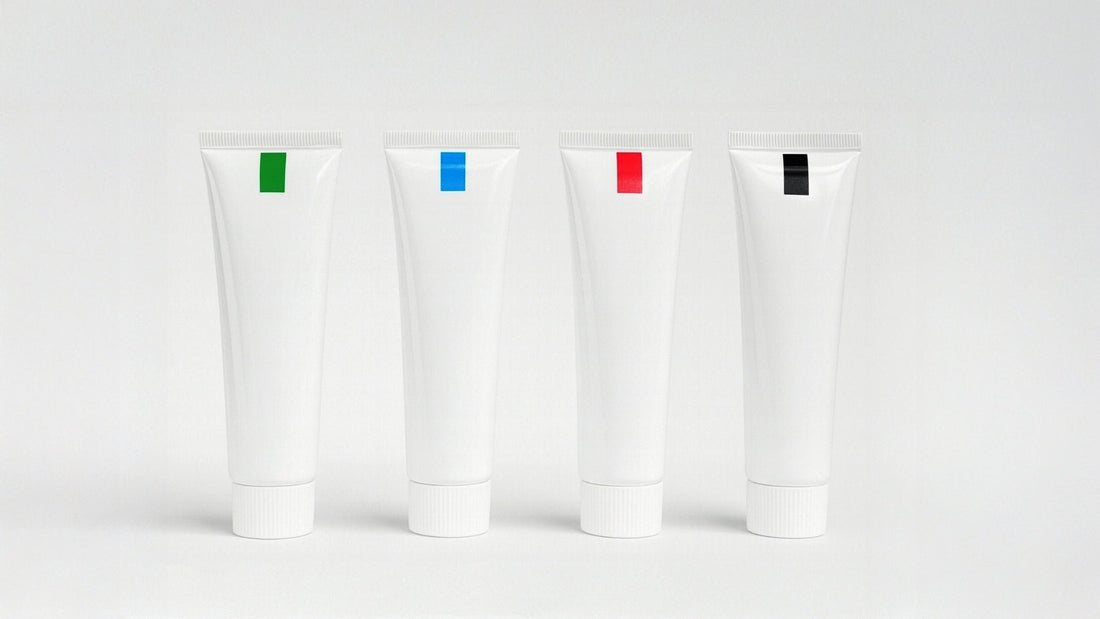
What Do the Color Codes on Toothpaste Packages Mean?
The claim, frequently seen on social media, that "the colors on the bottom of toothpaste tubes reveal the ingredients," is confusing many consumers. Descriptions like "black is chemical, green is natural" are spreading rapidly, especially in short videos. But do these colorful squares actually provide information about the toothpaste's ingredients, or do they have a completely different meaning during the production process? The truth is, toothpaste color codes or the colored markings on the bottom of the toothpaste have no connection to the product's chemical composition. These squares are solely for ensuring correct packaging alignment on the production line and improving print quality. The Emergence of Color Codes Technical Purpose of Colored Squares in the Production Line The colored squares on the packaging are detected by automatic cutting and folding machines used in production facilities. These squares serve as optical reference points that determine where the machine will cut. This means the machine cuts, folds, and seals the packaging in the correct place based on this marking. The "Eye Mark" System Used in the Packaging Printing Process These squares are part of a system technically called "eye marks." Eye mark sensors recognize these colored marks on the print, maintaining packaging alignment and text-visual integrity. Color variations are often chosen to increase contrast in the print. Therefore, different colors can appear in each brand. Common Misinformation on Social Media Where Did the Claim “Black = Chemical, Green = Natural” Come From? The origin of this claim stems from a false image circulating on social media a few years ago. The image created a false grid between the squares beneath the tubes and the content type. This information was quickly shared without any verification, and many users mistaken it for real. Why Is This Information Incorrect? The ingredients of toothpastes are listed in the "Ingredients" list on the label. The colored squares on the bottom of the packaging have no connection to the chemical or natural content other than their technical function on the production line. Furthermore, even two products with the same formula may be produced in different production facilities with different color codes. Fact: The Technical Meaning of Color Codes Alignment Marks for Packaging Cutting and Folding Machines These squares are used throughout the production process to ensure accurate printing alignment and accurate packaging cutting. Invisible sensors detect these squares and guide the machine. It has nothing to do with content and chemical ratio. The factors that determine the content of a toothpaste are the product formula, active ingredients, and the manufacturer's statement. The colored squares refer to the printing technology, not the content. Objectives of Improving Production Quality and Reducing Margin of Error This system reduces error rates in packaging production, ensures product consistency, and prevents issues like print misalignment. In other words, these little squares are actually part of quality control. How to Really Tell What Your Toothpaste Ingredients Are Reading the Table of Contents Correctly The most accurate way to learn about the ingredients in a toothpaste is to read the ingredient list under the "Ingredients" heading. This section is legally required to state the product's formula. Active Ingredients (Fluoride, Zinc, Herbal Extracts, etc.) The most commonly used active ingredients in toothpastes are sodium fluoride, zinc salts, herbal extracts, and bleaching agents. The presence, proportion, and combination of these ingredients determine the product's effectiveness. Certifications and Security Standards Products certified natural or organic generally receive certification from independent organizations such as Ecocert and COSMOS. Furthermore, every toothpaste marketed in Türkiye is inspected under the Cosmetics Regulation and Product Safety Legislation. Recommendations to Consumers Querying Social Media Information When you come across information about a product on social media, be sure to check the source. Unscientific images and rumors are often misleading. Considering the Ingredient List and Brand Reliability When choosing a product, pay attention to the ingredient list on the packaging and the brand's transparency policies. Reputable brands usually share formula details openly. Product Selection with Expert Advice When choosing the most appropriate toothpaste for your oral and dental health, the best approach is to get advice from your dentist or pharmacist. In conclusion, the colored squares on the bottom of toothpaste tubes are a myth. These markings are simply part of the manufacturing process and provide no information about the product's contents. To get accurate information, always check the ingredient list on the packaging and verify it with reliable sources. 📖 If you want to learn all the details and solutions regarding oral and dental health, be sure to read our article titled Periodontitis and Gum Health .
Learn more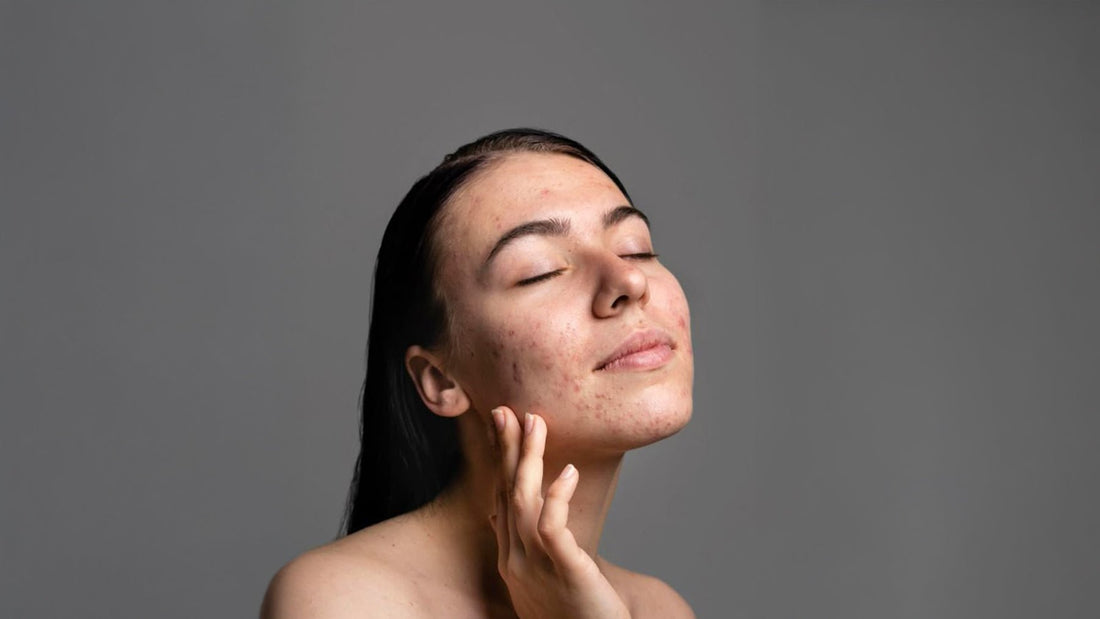
What Causes Hormonal Acne and How Can It Be Treated?
The answer to the question of what hormonal acne is is that it's a type of acne that develops due to fluctuations in hormone levels and is generally inflammatory. It's particularly common in women due to changes in the estrogen-androgen balance [1,2]. Factors such as the menstrual cycle, pregnancy, PCOS, stress, and androgen receptor sensitivity can trigger this condition. In men, this type of acne is less common because androgen levels are more stable [2]. What are the symptoms of hormonal acne? Hormonal acne (pimples) is a skin condition characterized by recurring, deep lesions, usually concentrated on the lower face. It's not limited to adolescence but is also common in women aged 20 and older. So, how can hormonal acne be diagnosed? Acne Around the Jawline and Neck Hormonal acne most commonly occurs around the jawline, around the mouth, lower cheeks, and neck. The sebaceous glands in these areas are more sensitive to androgen hormones. Due to fluctuations in hormone levels, various types of lesions, such as papules, pustules, nodules, and cysts, can occur in these areas. This distribution pattern is considered characteristic of hormonal acne, especially in women aged 20 and older [3]. Cystic Structures That Thicken Before Menstruation The menstrual cycle is a period of natural fluctuation in women's hormone levels. Especially during the luteal phase (the period following ovulation), the relative increase in androgen hormones leads to increased seborrhea (oil production) in the skin. This can lead to clogged pores and the development of inflamed, deep-seated, cystic lesions. Research shows that acne lesions that occur during this period are more often nodules and cysts, accompanied by comedones, rather than superficial lesions. They are generally painful, slow to heal, and recurrent. Therefore, deep pimples that appear in similar areas before each menstrual period should be considered a significant indicator of hormonal acne [4]. Persistent, Recurring Acne It's one of the most distinctive features of hormonal acne. Recurring comedonal or cystic lesions, particularly in the same area, offer limited response to conventional acne treatments. Studies have highlighted that this form of acne is more common in women who smoke and are older, and that the comedonal component can often be overlooked [5]. What Causes Hormonal Acne? Hormonal acne occurs when androgen hormones (testosterone and DHEA-S) specifically stimulate the sebaceous glands, increasing sebum production. This leads to pore blockage and inflammation. Hormonal changes such as menstrual cycle, PCOS, birth control pills, pregnancy, and menopause, as well as environmental factors such as stress, lack of sleep, and a high-glycemic diet, can exacerbate acne. Additionally, the skin's hypersensitivity to androgen hormones can also cause hormonal acne [1,6,7]. Hormonal imbalances (especially increased androgens) Hormonal imbalances, particularly increased androgen (testosterone, dihydrotestosterone (DHT)) and decreased estradiol levels, are among the primary causes of hormonal acne in adult women. The significant reduction in acne severity observed with the correction of these imbalances highlights the importance of hormonal regulation in treatment [1]. The effect of stress and cortisol Chronic stress raises the hormone cortisol in the body, which can trigger sebum production and increase hormonal acne [7]. The effect of eating habits on hormones High-glycemic index diets may increase acne severity. Those on a low-glycemic load diet experienced decreased acne, weight, body mass index (BMI), and androgen levels, while insulin sensitivity increased. Studies linking dairy consumption to acne are limited, but consuming skim milk, in particular, may increase acne risk. No such association has been found with cheese and yogurt. Ice cream is also among the dairy products that increase acne risk [5]. Natural Solutions for Hormonal Acne Instead of Hormone Medications While the answer to the question "How do I get rid of hormonal acne?" is often associated with hormone medications, the unwanted side effects of these treatments can be a concern for many. For those with OR who are seeking more natural, low-side-effect, and long-term sustainable solutions and are making informed choices, herbal ingredients and scientifically based supplements can offer powerful alternatives. These natural treatments affect sebum production, bacterial growth, inflammation, and keratinization. They also contribute to hormonal acne treatment by providing moisturizing and soothing effects when applied topically (on the skin). Green Tea: Its antioxidant, anti-inflammatory and antibacterial properties provide benefits in cases of inflammatory acne. Resveratrol: Reduces inflammatory response and helps manage acne symptoms by inhibiting the growth of P. acnes bacteria. Rosa Damascena (Damascus Rose): It contributes to acne treatment with its antioxidant, anti-inflammatory, antimicrobial effects and lipid peroxidation inhibitor properties. Tea Tree Oil: When applied topically, it shows antimicrobial and anti-inflammatory effects, heals inflammatory acne lesions and supports acne treatment. Probiotics: The antimicrobial properties of probiotics may also help alleviate acne symptoms [6,7]. Creating a daily skin care routine Gentle cleansers, non-comedogenic products, and regular exfoliation should help strengthen the skin barrier. To discover the importance of proper skincare in combating hormonal acne and learn which products are best for your skin type, be sure to read our article : Skin Care Tips by Skin Type . Ingredients Like Niacinamide and Azelaic Acid Niacinamide (B3) supports the skin barrier by replenishing moisture to skin irritated by the drying effects of acne treatments [8]. Azelaic acid, naturally found in wheat, barley, and rye, accelerates skin cell turnover and reduces inflammation, alleviating the appearance of blemishes and acne [9]. Supplements: Zinc, Omega-3, DIM Zinc is effective against acne by balancing sebum production and reducing inflammation. While omega-3 fatty acids have anti-inflammatory properties, studies on their effects on acne are inconsistent, and more research is needed. Diindolmethan (DIM) is found in some vegetables, particularly cabbage, broccoli, and cauliflower. It has been shown to balance hormone levels, making DIM suitable for treating hormonal acne [10]. Daily Tips to Prevent Hormonal Acne In treating hormonal acne, not only medication but also lifestyle changes are important; simple habits reduce the risk of acne by maintaining hormonal balance. Reducing refined sugar and dairy High glycemic index foods (foods containing refined sugar) raise insulin levels, leading to increased androgen hormones. This, in turn, increases sebum production, contributing to clogged pores and acne [11]. Dairy products, especially cow's milk, similarly stimulate the sebaceous glands through the IGF-1 and hormones it contains and can exacerbate hormonal acne by increasing inflammation [11]. Paying attention to your sleep patterns Insufficient sleep disrupts hormonal balance by increasing cortisol levels and triggers sebum production, paving the way for acne; regular sleep of 7-9 hours a day prevents this process and supports skin regeneration [7]. Reducing daily stress levels Chronic stress triggers hormonal acne by increasing cortisol and raising androgen levels; stress management techniques such as mindfulness, breathing exercises, exercise and meditation help control acne by reducing these hormonal imbalances [7]. Conclusion Hormonal acne is not merely a superficial skin condition; it is the clinical manifestation of underlying hormonal and environmental factors on the skin. Effective management requires a holistic approach to addressing daily life factors such as sleep patterns, stress management, healthy eating, and skin care habits, in addition to medical treatments. This approach not only alleviates acne symptoms but also allows for sustainable skin health [1,2,4,6]. SOURCE: 1. Thomas, J., Parimalam, K., & Sindhu, R. B. (2013). Hormonal acne: leading to a paradigm shift in the management of acne. Expert Review of Dermatology, 8(3), 225-227. 2. Kamangar, F., & Shinkai, K. (2012). Acne in the adult female patient: a practical approach. International journal of dermatology, 51(10), 1162-1174 3. Thiboutot, D. (2001). Hormones and acne: Pathophysiology, clinical evaluation, and therapies. Seminars in Cutaneous Medicine and Surgery, 20(3), 144–153. 4. Zaenglein, AL, Pathy, AL, Schlosser, B.J., Alikhan, A., Baldwin, HE, Berson, DS, ... & Bhushan, R. (2016). Guidelines of care for the management of acne vulgaris. Journal of the American Academy of Dermatology, 74(5), 945–973. 5. Bhadra, P. (2020). A literature review on acne due to hormonal changes and lifestyle. Indian Journal of Natural Sciences, 10(59), 18507-18521. 6. Sundene, N., & Doctor, N. Hormonal Acne: “Hormones and Acne” Holistic Dermatology Meets Natural Endocrinology!. 7. Madan, P. A Study on the Impact of Hormonal Imbalances on Acne Severity in Adult Females. 8. Permatasari, NJ, & Tan, ST (2024). Efficacy of Topical Niacinamide on Skin Hydration of Adolescents with Acne Vulgaris: An Experimental Study on the Adolescent Community in Jakarta, Indonesia. Bioscientia Medicina: Journal of Biomedicine and Translational Research, 8(9), 4987-4995. 9. Vargas-Diez, E., Hofmann, M.A., Bravo, B., Malgazhdarova, G., Katkhanova, O.A., & Yutskovskaya, Y. (2013). Azelaic acid in the treatment of acne in adult females: Case reports. Skin Pharmacology and Physiology, 27(Suppl. 1), 18–25. 10. Rubin, M. G., Kim, K., & Logan, A. C. (2008). Acne vulgaris, mental health and omega-3 fatty acids: a report of cases. Lipids in health and disease, 7(1), 36. 11. Spencer, E.H., Ferdowsian, HR, & Barnard, N.D. (2009). Diet and acne: a review of the evidence. International journal of dermatology, 48(4).
Learn more
What is resveratrol? What are its effects on the skin?
Resveratrol, a natural polyphenol produced in plants for defensive purposes, has become popular in skincare due to its powerful antioxidant and anti-inflammatory properties. The increasing demand for naturally derived ingredients has led to a trend to replace synthetic ingredients with safer alternatives, with resveratrol becoming a prominent compound in this context. What is Resveratrol and Why is it Important for Skin? Resveratrol is a natural compound with multifaceted benefits for both skin and overall health. It is particularly noted for its protective, rejuvenating, and restorative effects on the skin. Chemically, it is a stilbene derivative and exists in two forms. Of these, trans-resveratrol is preferred because it is more stable, more effective, and, scientifically, has more potent antioxidant activity. Resveratrol as a natural polyphenol Resveratrol is a polyphenol compound found in plants such as grapevine flowers, grape skins, red wine, peanuts, and blueberries. It is part of the defense mechanism that plants develop against external factors such as stress, infection, and UV radiation (1). An antioxidant that fights free radicals in the skin Resveratrol is a powerful antioxidant, meaning it protects cells from oxidative stress by fighting free radicals. This helps prevent collagen breakdown, one of the major causes of premature aging (1). Key Benefits of Resveratrol on Skin Resveratrol has anti-aging, anti-blemish, and anti-inflammatory properties in skincare. It prevents collagen breakdown, reduces the appearance of wrinkles, and evens out skin tone. It's also an important compound for protecting skin against sun damage and environmental stressors. Effects that delay signs of aging Aging is a natural process accompanied by the functional and structural decline of various tissues and organs (2). The rapid increase in the aging world population has significantly increased research interest in anti-aging interventions (2). According to the results of the studies, SIRT1 is an enzyme that regulates the cell cycle, ensures genetic stability, and is associated with apoptosis (programmed cell death) (2). Resveratrol reduces DNA damage and extends cell life by directly or indirectly activating SIRT1 (2). Strengthening the skin barrier and moisture retention capacity Resveratrol supports the hydrolipid layer in the skin (3). It reduces TEWL (Transepidermal Water Loss), thus preventing moisture loss (3). It also reduces oxidative damage and inflammation by regulating the Nrf2 and NF-κB pathways, which indirectly improves barrier function (4). A brighter, more even-toned and smoother skin appearance Topical resveratrol, with its powerful antioxidant effect, promotes collagen synthesis, improves skin smoothness, and reduces the appearance of fine lines. It has also been shown to be effective in lightening hyperpigmentation and pigmentation irregularities by suppressing melanogenesis mechanisms (5). Formulations containing resveratrol and its analogs (RTA, RTG) inhibit tyrosinase enzyme activity, preventing melanin formation. In vitro, 3D skin models, and clinical studies have supported the skin-lightening effect of resveratrol, demonstrating positive results in improving human skin tone and reducing the appearance of blemishes (5). What Do Scientific Findings Say About Resveratrol? Scientific studies reveal that resveratrol, thanks to its powerful antioxidant and anti-inflammatory properties, delays skin aging, reduces UV damage, and promotes cell regeneration. This demonstrates that resveratrol is an effective and reliable ingredient in maintaining skin health. Clinical studies and anti-aging effects In an eight-week study conducted with 20 volunteers to examine the natural skin rejuvenation effect of resveratrol, regular use (once daily) of a 2% resveratrol-containing emulsion reduced transepidermal water loss (TEWL), improved skin barrier function, improved skin elasticity by 5.3%, increased skin density by 10.7%, optimized pH balance, and supported hydration-increasing effects (6). The biological basis for this can be explained by resveratrol's ability to support keratinocyte differentiation and strengthen the barrier structure by stimulating ceramide and lipid synthesis. Which is more effective: topical (on the skin) use or supplements? Both topical and oral resveratrol have beneficial effects on skin health; however, clinical and pharmacokinetic data clearly indicate that topical use provides greater local benefits than supplements (7). Moderate and high doses of oral resveratrol may provide systemic benefits by activating antioxidant systems and sirtuin (SIRT1) pathways; however, due to its low bioavailability, it accumulates in tissues only slightly. Rapid metabolism in the liver and intestines may limit its effects (7). With topical application, resveratrol accumulates directly in the epidermis and stratum corneum, strengthening the skin barrier, enhancing antioxidant capacity, and improving collagen-supported structures in deep wrinkles (4). However, for systemic anti-aging, oral resveratrol may be complementary with its body-wide antioxidant effects. What Should You Consider When Choosing Skin Products Containing Resveratrol? In skin products, 0.5–1% resveratrol is generally sufficient for effectiveness (6). Its effect may be synergistic when used with ingredients such as vitamin C, niacinamide and hyaluronic acid; however, its stability may decrease when used together with acids such as AHA/BHA or with very low pH products (4). Using resveratrol in the morning with sunscreen enhances its antioxidant effect and helps prevent UV damage, while evening use supports skin renewal. Available as a lightweight serum or moisturizer, these products can easily be incorporated into multi-step skin routines. Can Anyone Use Resveratrol? Resveratrol is generally well-tolerated and known for its antioxidant and anti-aging effects; however, its suitability for each individual may vary depending on their circumstances (8). People with allergies or sensitive skin should choose low-concentration forms (0.1–0.5%) and perform a patch test before using resveratrol-containing products (8). While topical resveratrol has limited local effects on the skin during pregnancy and breastfeeding, it's recommended to avoid high-dose oral supplements. Additionally, individuals taking blood-thinning (anticoagulant) medications should not use both topical and systemic resveratrol supplements without consulting a doctor, as they may interact with resveratrol supplements. Conclusion Regular and correct use of resveratrol can provide significant benefits in maintaining skin health and reducing the signs of aging. Scientific research shows that this natural compound, particularly with its antioxidant and cell-regenerating properties, strengthens the skin barrier and plays a protective role against external factors. However, to best observe these effects, it is crucial to choose reliable formulations. While the right product selection, appropriate concentration, and regular use maximize the positive effects of resveratrol on the skin, inadvertent use can lead to undesirable consequences. Therefore, based on scientific evidence, resveratrol is considered a valuable part of a conscious, long-term skincare strategy. REFERENCES 1) Baur, J. A., & Sinclair, DA (2006). Therapeutic potential of resveratrol: the in vivo evidence. Nature reviews. Drug discovery, 5(6), 493–506. https://doi.org/10.1038/nrd2060 2) Zhou, DD, Cheng, J., Li, J., Wu, SX, Xiong, RG, Huang, SY, Cheung, PC, & Li, HB (2024). Resveratrol and Its Analogues: Anti-aging Effects and Underlying Mechanisms. Sub-cellular biochemistry, 107, 183–203. https://doi.org/10.1007/978-3-031-66768-8_9 3) Igielska-Kalwat, J., Firlej, M., Lewandowska, A., & Biedziak, B. (2019). In vivo studies of resveratrol contained in cosmetic emulsions. Acta biochimica Polonica, 66(3), 371–374. https://doi.org/10.18388/abp.2019_2838 4) Mascarenhas-Melo, F., Araújo, ARTS, Rodrigues, M., Mathur, A., Gonçalves, MBS, Tanwar, K., Heidarizadeh, F., Nejaddehbashi, F., Rahdar, A., Mazzola, PG, Veiga, F., & Paiva-Santos, AC (2023). Dermatological Bioactivities of Resveratrol and Nanotechnology Strategies to Boost Its Efficacy—An Updated Review. Cosmetics, 10(3), 68. https://doi.org/10.3390/cosmetics10030068 5) Boo, Y. C. (2019). Human Skin Lightening Efficacy of Resveratrol and Its Analogs: From in Vitro Studies to Cosmetic Applications. Antioxidants, 8(9), 332. https://doi.org/10.3390/antiox8090332 6) Brinke, A. , Janssens-Böcker, C. and Kerscher, M. (2021) Skin Anti-Aging Benefits of a 2% Resveratrol Emulsion. Journal of Cosmetics, Dermatological Sciences and Applications, 11, 155-168. doi: 10.4236/jcdsa.2021.112015. 7) Alonso, C., Martí, M., Barba, C., Carrer, V., Rubio, L., & Coderch, L. (2017). Skin permeation and antioxidant efficacy of topically applied resveratrol. Archives of dermatological research, 309(6), 423–431. https://doi.org/10.1007/s00403-017-1740-5 8) Ratz-Łyko, Anna & Arct, Jacek. (2018). Resveratrol as an active ingredient for cosmetic and dermatological applications: A review. Journal of Cosmetic and Laser Therapy. 21. 10.1080/14764172.2018.1469767.
Learn more
How to Choose Safe Toothpaste for Children?
Childhood is one of the most critical times for developing oral and dental health habits. Proper care habits developed during this period lay the foundation for an adult with healthy teeth. One of the most important components of this habit is using the right toothpaste from an early age. Choosing the right toothpaste, especially for children, is crucial for both protecting oral health and preventing potential health risks. Children may swallow toothpaste while brushing or keep it in their mouth for extended periods. Therefore, the ingredients in toothpaste should be harmless and age-appropriate. Furthermore, child-friendly tastes, scents, and colors make brushing enjoyable and contribute to the development of regular brushing habits [1]. This article explains the details you need to know about choosing the right toothpaste to ensure your child has a healthy and enjoyable oral care experience. What to Consider When Choosing Toothpaste for Children? The primary reason children use toothpaste is to prevent and control tooth decay [2]. When choosing a safe toothpaste for children, attention should be paid not only to its cleansing effect but also to the safety and age-appropriateness of its ingredients. Fluoride content, products free of harmful chemicals, and the use of natural ingredients are key criteria when choosing a toothpaste for children. The Importance of Fluoride Ratio Fluoride is one of the substances that prevents caries by strengthening tooth enamel. The widespread use of fluoride has significantly reduced the incidence and prevalence of tooth decay in children [3]. Toothpastes can contain various fluoride salts, such as sodium fluoride, sodium monofluorophosphate, amine fluoride, and stannous fluoride [4]. The amount of fluoride added to toothpastes varies between 450 and 5000 ppm. However, the tendency of young children to swallow fluoride toothpaste poses certain risks. Studies have shown that, despite fluoride's proven protective effect against decay, there is an increase in the incidence of dental fluorosis. Dental fluorosis is a condition characterized by permanent white stains or streaks on tooth enamel caused by excessive fluoride use during the early stages of tooth development. The first three years, when permanent front teeth are developing, are the period when the risk of fluorosis is highest. Therefore, children's fluoride intake should be carefully monitored [5]. Choosing Products That Do Not Contain Harmful Chemicals (SLS, Paraben, etc.) When choosing toothpaste for children, the potential health effects of the chemicals contained should be considered. Choose products that do not contain SLS, parabens, titanium dioxide, or similar controversial ingredients. Sodium Lauryl Sulfate (SLS) is a surfactant that allows toothpastes to foam, wetting tooth surfaces and loosening residue and plaque [6]. However, research has revealed that SLS can cause damage and irritation at the cellular level [7]. Parabens are used in toothpaste formulations due to their antimicrobial properties. However, they are thought to pose a risk, particularly for developing children, due to their negative effects on the endocrine system. Furthermore, a study has shown that parabens left in the oral cavity can cause gingivitis and cavities [8]. Natural and Safe Ingredients Should Be Preferred Products with natural and safe ingredients support children's oral health while minimizing risks. Natural toothpastes for children contain naturally derived ingredients such as coconut oil, licorice root, calendula, chamomile, guava leaf, grape seed extract, myrrh oil, black mulberry, and cranberry extract. These ingredients have natural antibacterial and antioxidant properties, while also protecting the gums and maintaining microbial balance [9]. How to Choose Toothpaste According to Children's Age? Children's oral and dental development varies with age. Therefore, the toothpaste content and fluoride content should be appropriate for these developmental stages. Each age group's oral structure, tooth development process, and swallowing habits are different. Therefore, choosing toothpaste appropriate to a child's age is crucial for both effective oral care and safe use [1]. Choosing Toothpaste for 0-3 Years Olds Babies' primary teeth begin to appear between the ages of 0 and 3. This is a critical period for them to become accustomed to good oral hygiene. Because babies are at high risk of swallowing toothpaste, fluoride-free or low-fluoride (450–500 ppm) toothpastes should be preferred [10]. Furthermore, products containing natural ingredients, free of harmful chemicals such as SLS and parabens, should be used whenever possible. The amount of toothpaste should be the size of a grain of rice for children aged 0-3 [11]. Brushing should be done under parental supervision. Preferring formulas that are mild in taste and smell makes it easier for babies to develop the habit of brushing their teeth. Choosing Toothpaste for 3-6 Year Olds Children aged 3-6 can now brush their teeth themselves. However, they may still have difficulty swallowing toothpaste. Therefore, products with fluoride levels between 500 and 1000 ppm are recommended. If the child is at low risk for decay, a fluoride-free toothpaste with natural mineral and plant ingredients may be preferred. The amount of toothpaste for ages 3-6 should be the size of a pea. Children should always rinse their mouth after brushing and spit out the toothpaste and foam [12]. Even if the child is brushing alone, parental supervision is essential. Fruit-flavored and lightly scented toothpastes can attract the attention of this age group and encourage regular use. Choosing Toothpaste for Children Ages 6 and Older In children ages 6 and older, the majority of their teeth begin to emerge. This increases the risk of tooth decay. Children at this age are now able to spit out toothpaste. Therefore, toothpaste containing 1450 ppm fluoride can be used in children ages 6 and older, as in adults [9]. However, if your child is at low risk for cavities or there are concerns about fluorosis, it's recommended that you make this decision in conjunction with your pediatric dentist. Products with appealing flavors and colors can be used to encourage toothbrushing habits. However, care should be taken to ensure the ingredients are natural and safe. The Effect of Toothpaste Choice on Children's Tooth Brushing Habits Tooth brushing is an important behavior that children acquire at an early age and should maintain throughout life. When choosing children's toothpaste, appealing to children in terms of taste, color, and scent makes it easier to adopt a regular brushing habit [13]. Features That Motivate Children (Taste, Color, Smell) Sensory factors such as taste, color, and smell are key factors in choosing toothpaste that encourage children to develop regular and conscientious oral care habits. One study found that children prefer toothpastes that are red, sweet-tasting, and fruity. These characteristics transform brushing from a tedious obligation into an enjoyable and fun habit [14]. Therefore, tested, child-friendly flavors should be selected to provide children with a more enjoyable brushing experience [15]. The Role of Choosing the Right Product in Forming a Habit Fluoride-free, natural toothpastes are a safer choice, especially for young children, as they are less likely to swallow the toothpaste. The taste, color, and smell of the product are key factors in determining whether a child will adopt this habit. This way, children develop the habit of brushing their teeth, while parents manage the process with peace of mind. By choosing the right products, children begin to view brushing not as an obligation, but as a fun routine they choose [16]. Choosing toothpastes formulated with safe and natural ingredients supports children's oral health. You can find Perio Toothpaste here as a product that meets these criteria. Points Parents Should Consider When Choosing Toothpaste When choosing the right toothpaste for their child, parents should consider ingredients, safety, ease of use, and the child's preferences. Toothpaste ingredients are designed based on criteria such as intended use, taste and fragrance, and age-appropriateness. Formulas developed for children differ from those developed for adults. Adult toothpastes contain higher levels of abrasives and may also contain concentrated surfactants and flavors. It is very important for parents to be conscious and careful during this process. Because the product chosen directly affects the child's oral and dental health and contributes to the development of hygiene habits in the long term [1]. How to Check Product Labels and Content? Parents should carefully examine the label when choosing a toothpaste. The ingredients listed on the label are important for determining whether the product is safe and appropriate for the child's age. For children under 6, parents should choose toothpastes made with natural ingredients, free of fluoride and SLS. Toothpastes formulated with natural ingredients may prefer plant-derived ingredients such as coconut oil, licorice root, calendula, grape seed extract, and guava leaf extract. These ingredients help maintain oral health while also supporting the oral flora [17]. Involving Children in the Product Selection Process The more fun the oral care process is for children, the easier it is for the habit to become a part of their daily lives. Small decisions, such as choosing a product's scent or examining the label, help children feel they have a say in the process. This motivates them and helps them view brushing as a fun routine, not a chore [18]. Tooth brushing becomes fun during childhood thanks to products formulated with safe ingredients, age-appropriate flavors, and colors that appeal to children. This helps children develop a habit and maintain a healthy oral structure throughout their lives. For this process to be effective, it's crucial for parents to choose products based on children's toothpaste recommendations that contain natural and safe ingredients. Source 1. Stovell, A.G., Newton, B.M., & Lynch, R.J. (2013). Important considerations in the development of toothpaste formulations for children. International dental journal, 63, 57-63. 2. DEVRİMCİ, EE, & TÜRKÜN, L. Ş. (2020). How to Choose Toothpaste? Turkey Clinics Restorative Dentistry-Special Topics, 6(2), 23-30. 3. Wong, MCM, Clarkson, J., Glenny, AM, Lo, ECM, Marinho, VCC, Tsang, BWK, ... & Worthington, H. V. (2011). Cochrane reviews on the benefits/risks of fluoride toothpastes. Journal of dental research, 90(5), 573-579. 4. Muhler, J. C., Radike, A. W., Nebergall, W. H., & Day, H. G. (1954). The effect of a stannous fluoride-containing dentifrice on career reduction in children. Journal of Dental Research, 33(5), 606-612. 5. Wright, J. T., Hanson, N., Ristic, H., Whall, C. W., Estrich, C. G., & Zentz, R. R. (2014). Fluoride toothpaste efficacy and safety in children younger than 6 years: a systematic review. The Journal of the American Dental Association, 145(2), 182-189. 6. Lambrecht, IHLJT (2011). oral care Topical Applications and the Mucosa, 40, 107-115. 7. Tadin, A., Gavic, L., Govic, T., Galic, N., Zorica Vladislavic, N., & Zeljezic, D. (2019). In vivo evaluation of fluoride and sodium lauryl sulphate in toothpaste on buccal epithelial cells toxicity. Acta odontologica scandinavica, 77(5), 386-393. 8. Ahn, GS, Park, YD, & Yoo, SM (2014). The exposure amount of paraben from commercial toothpaste. International Journal of Clinical Preventive Dentistry, 10(1), 31-36. 9. Diaz, MAN, de Oliveira Carvalho, I., & Diaz, G. (2015). Herbal dentifrices for children. Emerging Trends in Oral Health Sciences and Dentistry. 10. Wright, J. T., Hanson, N., Ristic, H., Whall, C. W., Estrich, C. G., & Zentz, R. R. (2014). Fluoride toothpaste efficacy and safety in children younger than 6 years: a systematic review. The Journal of the American Dental Association, 145(2), 182-189. 11. Cameron, A.C., & Widmer, R.P. (Eds.). (2021). Handbook of Pediatric Dentistry E-Book: Handbook of Pediatric Dentistry E-Book. Elsevier Health Sciences. 12. Cury, J. A., & Tenuta, L. M. A. (2014). Evidence-based recommendation on toothpaste use. Brazilian oral research, 28(spe), 1-7. 13. Mennella, J. A., & Beauchamp, G. K. (1998). Early flavor experiences: research update. Nutrition reviews, 56(7), 205-211. 14. Choudhari, S., Gurunathan, D., & Kanthaswamy, A. C. (2020). Children's perspective on color, smell and flavor of toothpaste. Indian Journal of Dental Research, 31(3), 338-342. 15. Stovell, A.G., Newton, B.M., & Lynch, R.J. (2013). Important considerations in the development of toothpaste formulations for children. International dental journal, 63, 57-63. 16. Davies, R., Scully, C., & Preston, A. J. (2010). Dentifrices: an update. 17. Dağ, C., & Özalp, N. (2013). Indispensable for oral and dental health: toothpastes. Acta Odontologica Turcica, 30(3), 149-56. 18. TÜMEN, EC CHILDREN'S DENTISTRY.
Learn more