

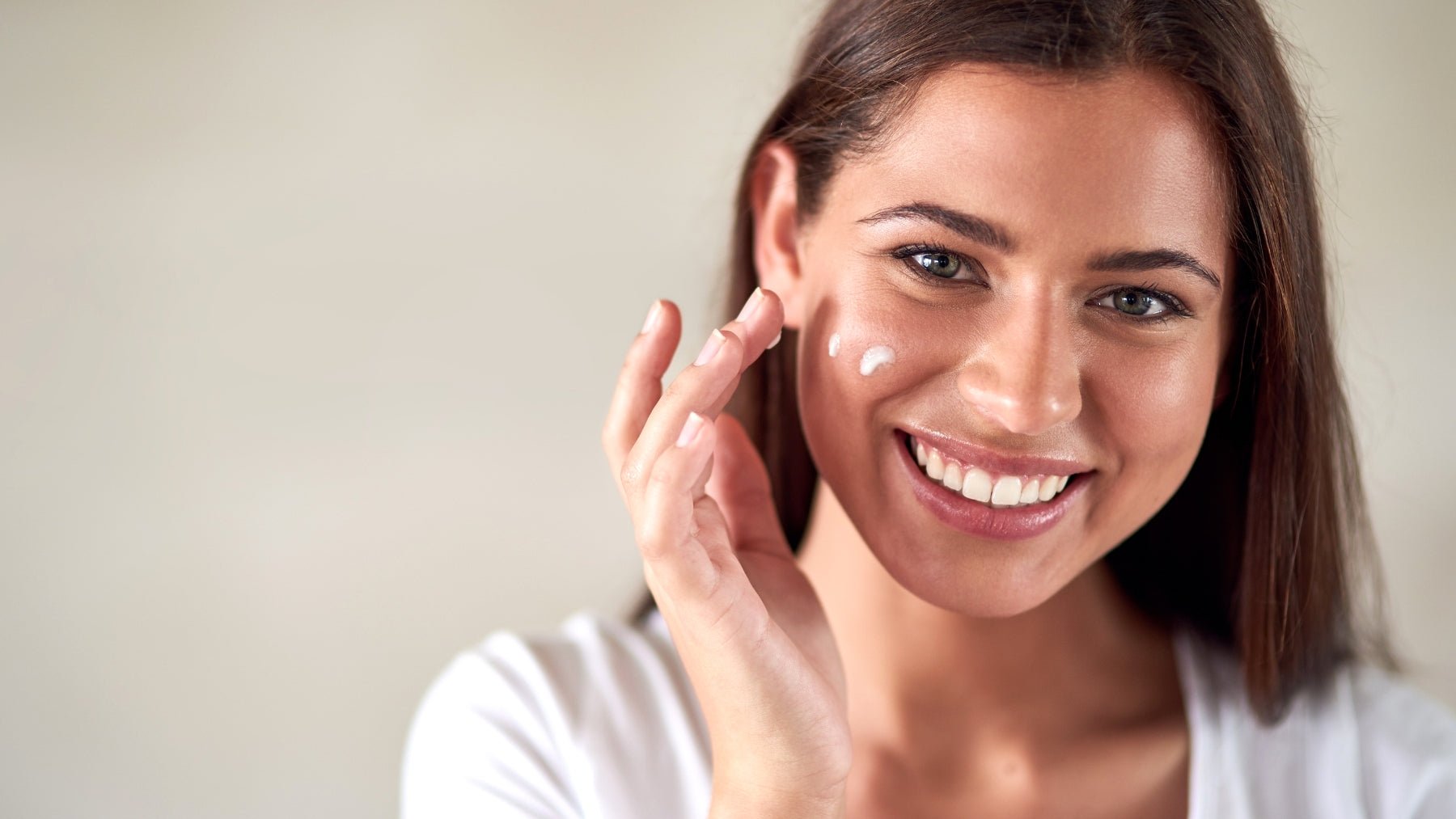
Niacinamide is a prominent active ingredient in skincare. This is due to its multifaceted effects, particularly on a variety of issues like uneven skin tone, acne scarring, and signs of aging (1). Research shows that with regular use, niacinamide helps reduce hyperpigmentation and soothe acne-related redness (3).
What is Niacinamide?
Niacinamide is a type of vitamin B3 that improves skin barrier function by strengthening the water and oil layer barrier that protects the skin, increases moisture in the skin, and is used in the treatment of skin problems such as acne and psoriasis.
Key Properties of Niacinamide in Skin Care
Niacinamide stands out as a versatile skin care ingredient thanks to its key properties such as strengthening the skin barrier, balancing sebum production, removing skin blemishes and supporting cellular regeneration. (4)
 Is Niacinamide Really Effective Against Skin Blemishes?
Research findings reveal that niacinamide may be an effective and safe treatment option against skin blemishes (5).
What Do Scientific Studies and Clinical Research Say?
Niacinamide's effect on hyperpigmentation is scientifically supported, particularly through its ability to regulate melanin production (2). Clinical studies show that topical application of 5% niacinamide significantly reduces skin blemishes in as little as 4 to 8 weeks (6). You can explore niacinamide-containing products that help combat skin blemishes here.
Niacinamide's Mechanism of Action on Blemishes
Niacinamide's effect on skin blemishes is primarily based on its mechanism of inhibiting melanosomal transfer, which reduces skin surface discoloration (2). This process occurs through modulation of the pigment transport cascade rather than direct inhibition of the tyrosinase enzyme, allowing niacinamide to act without causing skin irritation (7).
Other Important Skin Benefits of Niacinamide
Niacinamide stands out for its versatile effects in combating not only blemishes but also various other skin problems (3). Research shows that this compound reduces acne by balancing sebum production, while also relieving symptoms like redness and sensitivity thanks to its anti-inflammatory effects (1).
Strengthening the Skin Barrier and Reducing Sensitivity
Niacinamide stands out for its ability to strengthen the skin barrier (8). This shows the potential to reduce irritation and increase tolerance, especially in dry, sensitive, or atopic-prone skin (1).
Preventing Acne by Balancing Sebum Production
One of the effects of niacinamide in preventing acne is its ability to balance excess sebum production in the skin. Controlling sebum secretion reduces the risk of acne by preventing comedone formation and bacterial proliferation (9).
 Uses of Niacinamide in Oral Care
Besides its widespread use in skin care, niacinamide also offers potential benefits in oral health (10).
Effects on Oral Health and Gums
Niacinamide plays an important role in maintaining the integrity of the oral mucosa. It has also been shown to reduce the inflammatory response observed in gingivitis and contribute to the protection of periodontal tissues. Therefore, adequate niacinamide intake is important for both preventive and supportive oral care (10).
Who Should Choose Oral Care Products Containing Niacinamide?
Oral care products containing niacinamide are a suitable supplementary option, particularly for individuals experiencing frequent irritation, aphthous ulcers, or inflammation of the oral mucosa. They also offer benefits for individuals with gum sensitivity, a tendency to gingivitis, or a weakened immune system, due to their anti-inflammatory and cell-regeneration-promoting effects (11).
How to Choose and Use Products Containing Niacinamide?
The effectiveness of niacinamide-containing skin care products can vary depending on the concentration and formulation (4). Furthermore, establishing a personalized application routine based on frequency of use, skin type, and existing skin problems is critical for long-term success.
The Importance of Concentration in Products
Research suggests that niacinamide concentrations between 2% and 5% are the ideal range for both tolerance and clinical efficacy (1). These concentrations should be considered when selecting a product.
 How to Use Niacinamide-Containing Serums and Creams?
Serums and creams containing niacinamide generally work best when applied once or twice daily to cleansed skin (1). To minimize the risk of skin irritation, it's best to start with lower concentrations and use caution when using them with other active ingredients.
Niacinamide offers scientifically proven, multifaceted benefits for a wide range of skin concerns, including blemishes, acne, redness, dehydration, and signs of aging. It stands out as both a preventative and restorative care ingredient by evenlying skin tone, balancing sebum production, and strengthening the skin barrier. With the right products and regular use, niacinamide can help achieve a visibly healthy and balanced complexion when incorporated into your daily skincare routine.
REFERENCES
1. Draelos, Z. D. (2013). The effect of niacinamide on reducing cutaneous pigmentation and suppression of melanosome transfer. British Journal of Dermatology, 169(3), 23–28
2. Hakozaki, T., Minwalla, L., Zhuang, J., Chhoa, M., Matsubara, A., Miyamoto, K., ... & Bissett, D. L. (2002). The effect of niacinamide on reducing cutaneous pigmentation and suppression of melanosome transfer. British Journal of Dermatology, 147(1), 20–31
3. Gehring, W. (2004). Nicotinic acid/niacinamide and the skin. Journal of Cosmetic Dermatology, 3(2), 88–93.
4. Oblong, J. E., Nicoll, G., & Akers, W. A. (2002). Topical niacinamide provides skin aging appearance benefits while enhancing skin barrier function. Journal of Cosmetic Science, 53(3), 151–158.
5. Navarrete-Solís, J., Castanedo-Cázares, J.P., Torres-Álvarez, B., Oros-Ovalle, C., Fuentes-Ahumada, C., González, F.J., ... & Moncada, B. (2011). A double-blind, randomized clinical trial of niacinamide 4% versus hydroquinone 4% in the treatment of melasma. Dermatology Research and Practice, 2011, 379173
6. Bissett, D. L., Miyamoto, K., Sun, P., Li, J., Berge, C. A., & Oblong, J. E. (2004). Topical niacinamide reduces yellowing, wrinkling, red blotchiness, and hyperpigmented spots in aging facial skin. International Journal of Cosmetic Science, 26(5), 231–238.
7. Greatens, A., Hakozaki, T., Koshoffer, A., Epstein, H., Schwemberger, S., Babcock, G., ... & Bissett, D. L. (2005). Effective inhibition of melanosome transfer to keratinocytes by lectins and niacinamide is reversible. Experimental Dermatology, 14(7), 498–508.
8. Tanno, O., Ota, Y., Kitamura, N., Katsube, T., & Inoue, S. (2000). Nicotinamide increases biosynthesis of ceramides as well as other stratum corneum lipids to improve the epidermal permeability barrier. British Journal of Dermatology, 143(3), 524–531.
9. Kim, M. B., Kim, C., & Kim, M. N. (2013). The effects of niacinamide on acne vulgaris: A randomized controlled trial. Annals of Dermatology, 25(2), 136–140
10. Kirkland, J. B. (2012). Niacin status, NAD distribution and ADP-ribose metabolism. Current Pharmaceutical Design, 15(1), 3–11.
11. Yoshida, N., Yoshikawa, T., & Naito, Y. (2013). Role of oxidative stress and inflammation in periodontal disease. Current Drug Targets, 14(15), 1602–1616.


