

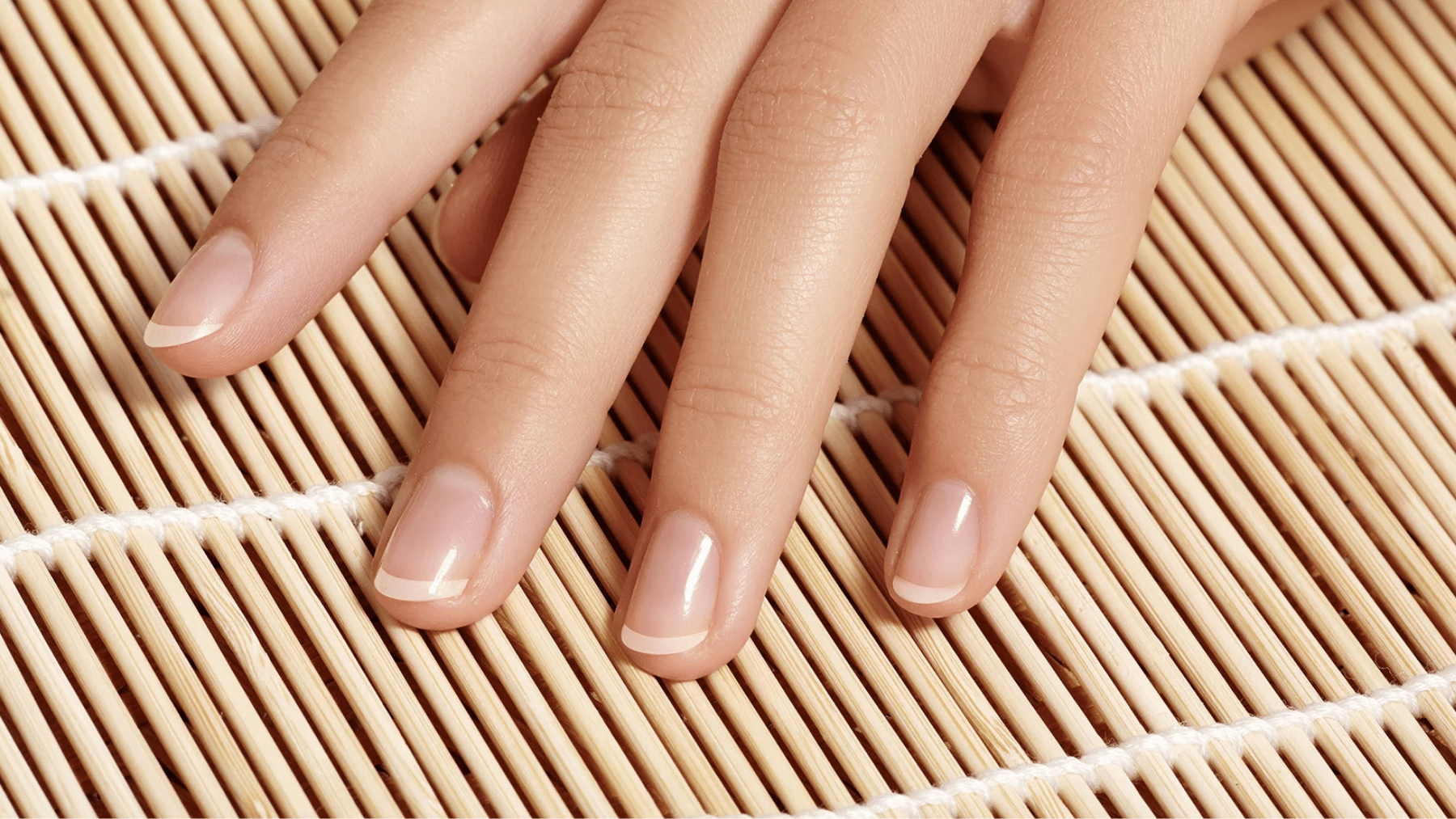
What Causes Nail Lines? What Are Horizontal and Vertical Lines?
Horizontal and vertical lines visible on nails can be an indicator of many conditions. Horizontal nail lines are seen as a result of acute illnesses, infections, and trauma, while vertical nail lines can be seen as a result of aging, vitamin and mineral deficiencies, and chronic conditions [1]. A careful examination of fingernails and toenails can reveal what the nail lines indicate and provide clues about underlying systemic diseases. Changes in nails, in particular, offer important clues about the body's overall health, and early detection can help guide the appropriate treatment. Nails can be a symptom of many health problems, from heart disease and kidney problems to thyroid disorders and anemia.
 Beau's Lines (Horizontal Lines): Relationship Between Acute Illness and Trauma
Beau's lines (horizontal lines) are transverse linear depressions that arise on the surface of the nail plate and beneath the proximal nail fold. These lines result from a temporary decrease in mitotic activity of keratinocytes in the nail matrix, resulting in the formation of transverse grooves in the nail plate [2], [3]. The disease association of Beau's lines can develop in association with systemic and local trauma, cytotoxic agents, or metabolic events. Beau's lines are nail dystrophies with distinct clinical findings and are often associated with trauma as the initiating factor. In addition, infections, serious medical conditions, drug side effects, and autoimmune diseases can cause Beau's lines [4]. Beau's lines have been described in systemic disorders such as coronary thrombosis, measles, mumps, Kawasaki disease, pneumonia, pulmonary embolism, and renal failure [5].
These lines are caused by a temporary cessation of nail growth and are generally associated with the severity of the disease. During acute illnesses, stress and metabolic changes in the body can cause a pause in the nail matrix. Furthermore, cytotoxic treatments such as chemotherapy can affect the nails and trigger the formation of Beau's lines. However, local trauma to the nails or severe infections can also cause these lines [6]. One study found that the most common causes of Beau's lines are medications (36.3%) and infections (36.9%), respectively. Other causes include non-autoimmune systemic diseases, autoimmune systemic diseases, trauma, hereditary diseases, neurological or neuromuscular diseases, and onychomycosis [7].
Vertical Lines: Aging, Nutritional Deficiencies, or Chronic Problems
Lines extending from the proximal to the free edge of the nail are part of the natural aging process [8]. The slowing of linear nail growth is due to changes in the chemical structure of the nail with age. This change can lead to an increase in vertical lines [9]. When nails become thin and dull, this condition is known as trachyonychia. This condition can be associated with related conditions such as alopecia areata, psoriasis, atopic dermatitis, and lichen planus [10]. Vertical lines can also appear on nails as a result of a diet deficient in vitamin B, folate, and protein. These vertical lines appear as thin, long lines on the nail surface and can be a sign of nutritional deficiencies and chronic diseases that negatively affect nail health [11].
 Effects of Vitamin and Mineral Deficiencies on Nails
The normal nail plate is composed of various nutrients in specific proportions. Therefore, vitamin and mineral deficiencies can cause significant changes in the nail plate. It is known that there is a correlation between nutrient levels in the body and blood and their concentrations in the nail plate. In cases of vitamin and mineral deficiency, nutrient concentrations in the nails decrease, while in cases of excessive intake or toxicity, nail concentrations increase. In particular, deficiencies of minerals such as iron, calcium, zinc, magnesium, and vitamins A, D, B, and C can cause significant changes in the nails [12].
Iron Deficiency Anemia and Pale Nail Beds
A pale nail bed is known as a sign of anemia [13]. In iron deficiency anemia, the body's oxygen-carrying capacity decreases, and blood flow to the nail decreases. The nail bed, normally pink, becomes pale in iron deficiency anemia [13]. Furthermore, nails become quite brittle due to iron deficiency anemia, may split in layers, and raised longitudinal lines may be seen. Koilonychia is also known as "spoon nail." Koilonychia is a condition characterized by a flat central portion of the nail plate and upward curvature of the distal nail plate and lateral edges. It is a common symptom of iron deficiency anemia [17].
Fragility and Line Formation in Biotin (Vitamin B7) Deficiency
Biotin is a water-soluble vitamin found in foods such as milk, eggs, and grains. It plays a role in the biosynthesis of keratin in the body, ensuring the cohesion of keratinocytes. It also increases the strength of the nail plate, stimulates cell renewal, improves nail growth, and supports nail health by reducing moisture loss [18], [19]. Biotin deficiency can lead to problems such as brittleness and striations in nails . Nails becoming more brittle than normal, slowing nail growth, and the appearance of longitudinal striations indicate that the body needs biotin. In this case, taking biotin supplements and consuming biotin-rich foods will be beneficial for strengthening and healthy nail growth [19].
Reflection of Systemic Diseases in Nails
Changes in nail shape, color, and growth rate can be signs of systemic diseases. They provide clues about diseases in the circulatory, respiratory, endocrine, renal, musculoskeletal, nutritional, and metabolic systems. For example, psoriasis, thyroid disease, and diabetes can cause characteristic changes in nails. Pitting is observed in the nail surface in psoriasis. Thyroid patients experience symptoms such as brittle nails and slowed growth, while diabetic patients experience yellowing and thickening of the nails. These changes in the nails are important in diagnosing systemic diseases and allow for early diagnosis [20], [21].
Psoriasis and Nail Pitting Symptoms
Nail psoriasis is known as a social and psychological problem that causes functional problems in patients. Psoriasis, a systemic disease, is not only a cosmetic blemish but also affects daily life [22]. One study found that psoriasis (20%) is the most common nail disorder after onychomycosis (nail fungus) [23]. Common symptoms of psoriasis include pitting, subungual hyperkeratosis, and loosening of the nail plate [22]. Pitting is the most common symptom, affecting 68% of patients. These superficial depressions in the nail plate are related to inflammation of the nail matrix [24]. Pitting can also be seen in diseases such as lichen planus, eczema, and alopecia areata, but the pits in psoriasis are deeper [1]. Less commonly, symptoms such as nail discoloration and bleeding can be observed. Because these symptoms can also be seen in other diseases, accurate diagnosis is important.
Nail Changes Associated with Thyroid Disorders
Nail problems are observed in 5% of patients with hyperthyroidism. Symptoms include onycholysis (separation of the nail plate from the nail bed), brittle nails, and brown spots on the nails [25]. In hypothyroid patients, brittle nails, flattening, slow growth, dryness, and onychorrhexis (longitudinal ridges) are observed [26]. Hypothyroidism causes hypothermia due to secondary vasoconstriction and a decrease in metabolic rate. Vasoconstriction reduces oxygen and nutrient transfer to the skin, resulting in brittle, slow-growing nails. Hyperthyroidism, however, can cause rapid nail growth due to vasodilation [27]. In patients with thyrotoxicosis, onycholysis, soft, and concave nails are observed [28]. These nail changes can be early clinical signs of thyroid disorders.
 Dermatological and Cosmetic Factors
Nail treatments performed to achieve an aesthetic appearance can damage the nail surface and the surrounding area [29]. Improper nail trimming can lead to ingrown nails and infections. Removing cuticles removes the protective barrier surrounding the nail, making it vulnerable to infection. Filing vertical lines in nail cosmetics can also cause nail breakage. Nails can also weaken after procedures such as manicures, and prolonged use of nail polish can lead to loss of oxygen and discoloration [30], [31]. Because solvents and nail polishes such as acetone damage the nail's structure, they can break and thin. Long-term use of acetone can cause keratin granulation [32].
Using the Wrong Nail Polish Remover and Nail Surface Damage
Nail polish removers are generally organic solvents obtained by adding fragrance and color [33]. Nail polish removers dissolve the resin layer that accumulates on the nail surface [34]. Acetone is the most commonly used and well-known nail polish remover. Because it is a strong solvent, it can quickly remove nail polish, but misuse can be irritating even at low concentrations, leaving nails looking dry and dull. Furthermore, frequent acetone use can cause keratin degranulation in the nail plate, leading to white streaks on the nail surface [32]. Choosing the right nail polish remover is crucial for nail health. To minimize adverse effects, use a small amount of product and avoid overuse.
The Role of Moisture Loss and Lipid Barrier Dysfunction
The water content of nails is important for maintaining the structure of keratinized tissue. Cosmetic products used on nails damage the keratin structure, decreasing water content and leading to moisture loss. Maintaining moisture balance is important for healthy nail growth. Nail polish removers disrupt the nail's natural moisture balance, leading to thinning and breakage [35]. Cosmetic products also cause lipid barrier dysfunction. Acetone use damages the lipid barrier. Nails soften, break, and gaps in the nail's layered structure are observed. These adverse effects can be prevented by using moisturizing and nourishing products for nail health [36].
Tips for Maintaining Nail Health
To keep nails looking healthy and prevent breakage, it's important to take some precautions. Here are some tips for maintaining healthy nails:
- Keep nails short: Regularly cutting nails will prevent breakage and trauma.
- Take care to keep nails clean and dry: Clean nails prevent bacteria and fungi from growing in the nails. SLS-free nail cleansers should be preferred to protect skin-nail integrity. Prolonged exposure to water can cause nails to crack. Wear gloves to reduce exposure.
- Add moisturizing and nourishing products to your care routine: Keeping nails moist will protect them from damage and cracking.
- Avoid chemical products: Chemical-based cleaners damage the nail structure. Nail polish removers containing acetone can disrupt the moisture balance of nails, causing them to weaken. You can preserve the natural structure of your nails by choosing products with less chemical content [37], [38].
Maintaining nail health isn't just about a routine; it's also important to take precautions against infections like nail fungus. Therefore, early diagnosis and proper nail fungus treatment are crucial.
 Choosing a Cleanser Suitable for Skin-Nail Integrity (SLS-Free Products)
Nail health isn't just about nail care. Choosing a cleanser that's compatible with your skin is important. Cuticles act as a barrier that supports the nail. Therefore, choosing the right cleanser plays a critical role in maintaining skin-nail integrity.
SLS (Sodium Lauryl Sulfate) is a surfactant commonly used as a cleansing agent in skin care products [39]. SLS can disrupt the composition of skin lipids, removing lipids from the stratum corneum surface, and thus impairing the skin barrier function [40]. This effect may be more pronounced because the skin around the nails is more sensitive. Cleansing products containing SLS can cause dryness and cracking of the cuticles, especially when hands frequently come into contact with water. Furthermore, they can cause the loss of natural oils that nourish and strengthen nails. To maintain skin-nail integrity, appropriate care should be taken, and skin-friendly, SLS-free products should be preferred [41].
Nail Care with Moisturizing Ingredients (Ceramide, Panthenol)
Moisturizing products significantly reduce the risk of nail breakage and cracking by maintaining the moisture balance. Ceramides are lipids naturally found in the skin that help strengthen the skin barrier. They keep the skin moisturized and prevent drying and irritation [42]. Panthenol is an important ingredient in nail care. Because panthenol is a water-soluble and hygroscopic substance, it has a moisturizing effect. In addition to moisturizing the skin, it also improves the appearance of roughness. This property also provides protection against skin irritation and damage caused by substances like SLS [43].
Regular use of moisturizing products helps keep the nail plate and cuticles healthy and strong.
Repairing Formulas Supported by Biotechnological Actives
The use of bioactive nail products to support nail health has gained significant importance in recent years. Bioactive nail products contain various biotechnological and natural ingredients that support and repair nail health. Ingredients such as keratin, biotin, hyaluronic acid, panthenol, ceramide, and various oils contribute to strong and healthy nails. These ingredients strengthen the nail structure, help maintain moisture balance, and improve the skin barrier around the nail [44].
With its restorative, nourishing and moisturizing formula, the nail care pen ensures that the nails gain a healthy appearance.
Source
1. Fawcett, R. S., Linford, S., & Stulberg, D. L. (2004). Nail abnormalities: clues to systemic disease. American family physician, 69(6), 1417-1424.
2. Kim, BR, Da-Ae, YU, Lee, SR, Lim, SS, & Je-Ho, MUN (2023). Beau's Lines and Onychomadesis: a systematic review of characteristics and aetiology. Acta Dermato-Venereologica, 103, 18251.
3. Robert, C., Sibaud, V., Mateus, C., Verschoore, M., Charles, C., Lanoy, E., & Baran, R. (2015). Nail toxicities induced by systemic anticancer treatments. The Lancet Oncology, 16(4), e181-e189.
4. Braswell, MA, Daniel III, CR, & Brodell, RT (2015). Beau lines, onychomadesis, and retronychia: a unifying hypothesis. Journal of the American Academy of Dermatology, 73(5), 849-855.
5. Metin, A., Güzeloğlu, M., Delice, İ., & Subaşı, Ş. "Beau's Lines" Nail Deformity.
6. Saraswat, N., Sood, A., Verma, R., Kumar, D., & Kumar, S. (2020). Nail changes induced by chemotherapeutic agents. Indian Journal of Dermatology, 65(3), 193-198.
7. Kim, BR, Da-Ae, YU, Lee, SR, Lim, SS, & Je-Ho, MUN (2023). Beau's Lines and Onychomadesis: a systematic review of characteristics and aetiology. Acta Dermato-Venereologica, 103, 18251.
8. Kaptanoğlu, AF, & Egemen, A. (2001). Nail examination in healthy child follow-up. Journal of Continuing Medical Education, 10(5), 168-173.
9. KARTAL, SP Cemile Tuğba ALTUNELa.
10. Piraccini, B. M., Iorizzo, M., Antonucci, A., & Tosti, A. (2004). Treatment of nail disorders. Clinical Practice, 1(1), 159.
11. Noppakun, N., & Swasdikul, D. (1986). Reversible hyperpigmentation of skin and nails with white hair due to vitamin B12 deficiency. Archives of dermatology, 122(8), 896-899.
12. Seshadri, D., & De, D. (2012). Nails in nutritional deficiencies. Indian Journal of Dermatology, Venereology and Leprology, 78, 237.
13. Cashman, M. W., & Sloan, S. B. (2010). Nutrition and nail disease. Clinics in dermatology, 28(4), 420-425.
14. Yamaguchi, T., & Shimizu, K. (2022). Koilonychia in a Patient with Heart Failure and Iron Deficiency Anemia. The American Journal of Medicine, 135(10), e393-e394.
15. GUNDUZ, M. (2017). Symptoms and Clinical Findings of Iron Deficiency. Turkish Clinics Hematology-Special Topics, 10(3), 171-175.
16. Bolaman, Z. (2004). Iron Deficiency Anemia. 6th National Internal Medicine Congress, Congress Program and Abstracts Book, 50-57.
17. Walker, J., Baran, R., Vélez, N., & Jellinek, N. (2016). Koilonychia: an update on pathophysiology, differential diagnosis and clinical relevance. Journal of the European Academy of Dermatology and Venereology, 30(11), 1985-1991.
18. Kannan, S., Balakrishnan, J., & Nagarajan, P. (2024). Vitamin B7 (Biotin) and Its Role in Hair, Skin and Nail Health. In Hydrophilic Vitamins in Health and Disease (pp. 233-252). Cham: Springer International Publishing.
19. Iorizzo, M., Pazzaglia, M., M Piraccini, B., Tullo, S., & Tosti, A. (2004). Brittle nails. Journal of cosmetic dermatology, 3(3), 138-144.
20. Holzberg, M. (2012). The nail in systemic disease. Baran & Dawber's Diseases of the Nails and their Management, 315-412.
21. Satasia, M., & Sutaria, A. H. (2023). Nail Whispers Revealing Dermatological and Systemic Secrets: An Analysis of Nail Disorders Associated With Diverse Dermatological and Systemic Conditions. Cureus, 15(9).
22. Sobolewski, P., Walecka, I., & Dopytalska, K. (2017). Nail involvement in psoriatic arthritis. Rheumatologia/Rheumatology, 55(3), 131-135.
23. Satasia, M., & Sutaria, A. H. (2023). Nail Whispers Revealing Dermatological and Systemic Secrets: An Analysis of Nail Disorders Associated With Diverse Dermatological and Systemic Conditions. Cureus, 15(9).
24. Jiaravuthisan, M.M., Sasseville, D., Vender, R.B., Murphy, F., & Muhn, C.Y. (2007). Psoriasis of the nail: anatomy, pathology, clinical presentation, and a review of the literature on therapy. Journal of the American Academy of Dermatology, 57(1), 1-27.
25. Mullin, G. E., & Eastern, J. S. (1986). Cutaneous consequences of accelerated thyroid function. Cutis, 37(2), 109-114.
26. Rosenberg, A., & Lipner, S. R. (2022). Nail changes associated with thyroid disease. Cutis, 110(2), E8-E12.
27. Heymann, W. R. (1992). Cutaneous manifestations of thyroid disease. Journal of the American Academy of Dermatology, 26(6), 885-902.
28. Safer, J. D. (2011). Thyroid hormone action on skin. Dermato-endocrinology, 3(3), 211-215.
29. Dinani, N., & George, S. (2019). Nail cosmetics: a dermatological perspective. Clinical and Experimental Dermatology, 44(6), 599-605.
30. Iorizzo, M., Piraccini, B. M., & Tosti, A. (2007). Nail cosmetics in nail disorders. Journal of cosmetic dermatology, 6(1), 53-58.
31. Chen, AF, Chimento, S.M., Hu, S., Sanchez, M., Zaiac, M., & Tosti, A. (2012). Nail damage from gel polish manicure. Journal of cosmetic dermatology, 11(1), 27-29.
32. Rieder, E.A., & Tosti, A. (2016). Cosmetically induced disorders of the nail with update on contemporary nail manicures. The Journal of clinical and aesthetic dermatology, 9(4), 39.
33. Arora, H., & Tosti, A. (2017). Safety and efficacy of nail products. Cosmetics, 4(3), 24.
34. Bansal, S., & Grover, C. (2024). Adverse effects of nail cosmetics and how to prevent them. Cosmoderma, 4.
35. Barba, C., Méndez, S., Martí, M., Parra, J. L., & Coderch, L. (2009). Water content of hair and nails. Thermochimica Acta, 494(1-2), 136-140.
36. Maeda, K., & Iwashita, N. (2022). Experimental Study of the Reduction in Ceramide Content in Fingernails Due to Nail Polish Remover Use. Cosmetics, 9(6), 125.
37. Chessa, MA, Iorizzo, M., Richert, B., López-Estebaranz, J.L., Rigopoulos, D., Tosti, A., ... & Piraccini, B.M. (2020). Pathogenesis, clinical signs and treatment recommendations in brittle nails: a review. Dermatology and therapy, 10, 15-27.
38. Menge, J. Tips for Nail Health.
39. Fiume, M., Bergfeld, WF, Belsito, DV, Klaassen, CD, Marks, JG, Shank, RC, ... & Andersen, FA (2010). Final report on the safety assessment of sodium cetearyl sulfate and related alkyl sulfates as used in cosmetics. International journal of toxicology, 29(3_suppl), 115S-132S.
40. Wilhelm, K. P., Freitag, G., & Wolff, H. H. (1994). Surfactant-induced skin irritation and skin repair: evaluation of a cumulative human irritation model by noninvasive techniques. Journal of the American Academy of Dermatology, 31(6), 981-987.
41. Leoty-Okombi, S., Gillaizeau, F., Leuillet, S., Douillard, B., Le Fresne-Languille, S., Carton, T., ... & André, V. (2021). Effect of sodium lauryl sulfate (SLS) applied as a patch on human skin physiology and its microbiota. Cosmetics, 8(1), 6.
42. Baran, R., & Maibach, H.I. (Eds.). (2017). Textbook of Cosmetic Dermatology. CRC Press.
43. Ebner, F., Heller, A., Rippke, F., & Tausch, I. (2002). Topical use of dexpanthenol in skin disorders. American journal of clinical dermatology, 3, 427-433.
44. Gomes, C., Silva, A.C., Marques, A.C., Sousa Lobo, J., & Amaral, M.H. (2020). Biotechnology applied to cosmetics and aesthetic medicines. Cosmetics, 7(2), 33.


