

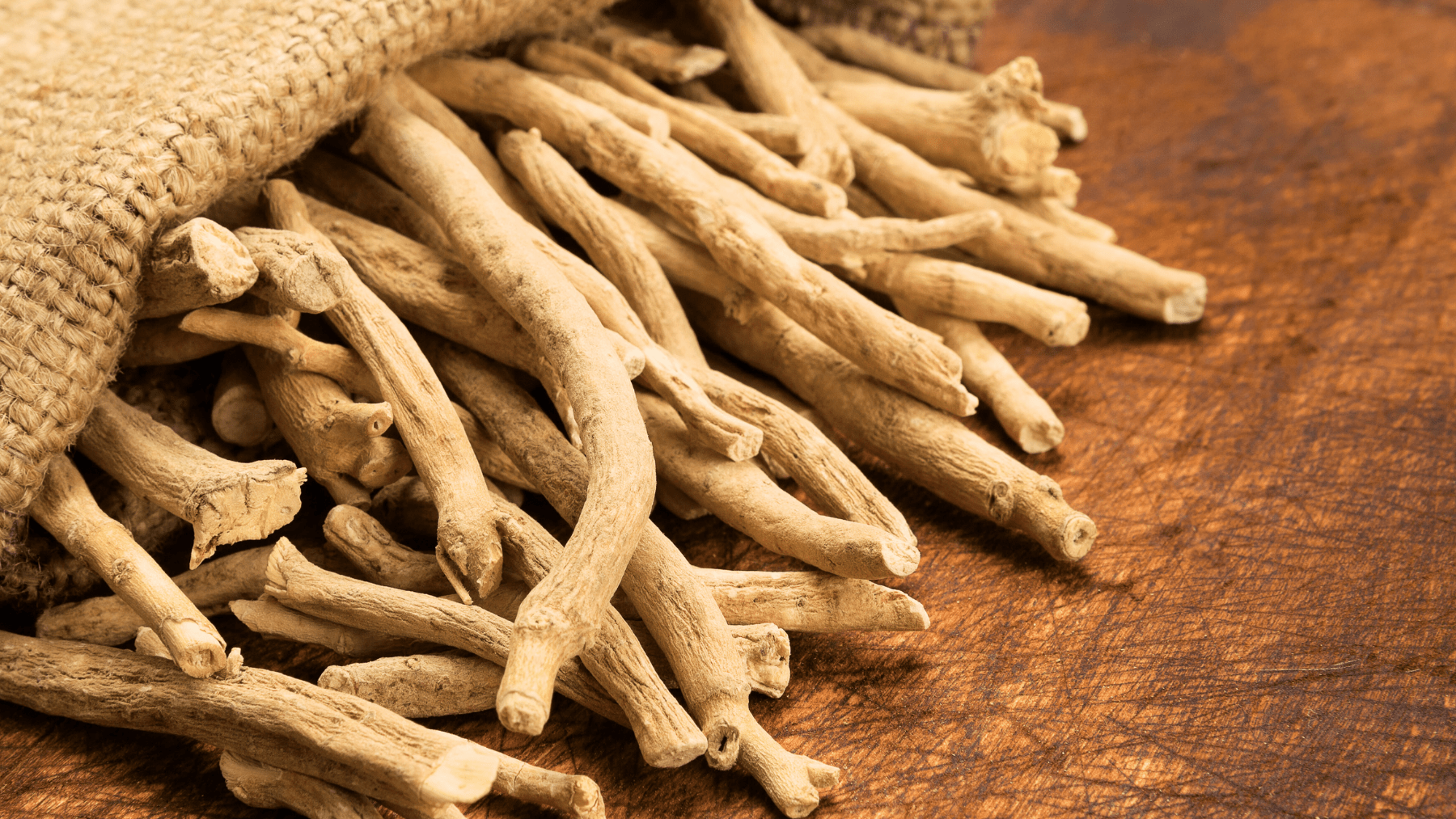
Ashwagandha, scientifically known as Withania somnifera (L.), is an evergreen shrub grown in tropical and subtropical regions of Asia, Africa, and Europe. Its Sanskrit name, ashwagandha (“ashwa” means horse, and “gandha” means scent), is commonly used because the plant's roots are said to smell like wet horse (1). Its Latin name means sleep-inducing. Although ashwagandha does not belong to the ginseng family, it is also known as Indian ginseng (2). It is named Indian ginseng because of its rejuvenating properties; its effects are not identical to those of ginseng, but rather produce different, specific effects in the body.
Ashwagandha supplements have anti-stress, anti-inflammatory, antimicrobial, anticancer, antidiabetic, cardioprotective, and hypolipidemic properties. Ashwagandha is used not only in dietary supplements but also in cosmetic products for skin care. Plants like ashwagandha are inspiring the development of multicosmetic solutions that combine health and beauty.

Ashwagandha root is thought to be used to treat leukoderma, ulcers, and scabies, as well as to heal skin wounds and reduce swelling. It has been suggested that withaferin A, due to its anti-inflammatory properties, may be used for dermatological conditions such as scleroderma or pigmentation disorders (7). Ashwagandha root and leaves have different chemical compositions. Most commercial ashwagandha supplements contain extracts from the plant's root, but some supplements may contain extracts from both the root and leaves (2). It is available in a variety of forms, including capsules, topical treatments, and tea. Ashwagandha is safe for most people when used at the correct dosage for up to 3 months, but its long-term effects are unknown. Ashwagandha may not be safe if a person:
- If pregnant or breastfeeding
- If you have hormone-sensitive prostate cancer
- Are taking certain medications such as benzodiazepines, anticonvulsants, or barbiturates
- If you are about to have surgery
- If you have an autoimmune or thyroid disorder
- If you have liver problems
In these cases, it should be used under the supervision of a physician.
The following side effects have been reported in some people using ashwagandha supplements (13):
- Gastrointestinal disorders
- Numbness
- Diarrhea
- Vomiting
Dosage recommendations for ashwagandha vary. Research has shown that doses ranging from 250–1,250 mg per day are effective for different conditions (13).
History of Ashwagandha and Its Place in Traditional Medicine
Traditional and complementary medicine is increasingly popular today for treating health-related ailments. This demonstrates the strong potential for developing new medicinal combinations with fewer side effects.
Ashwagandha root has been used as an adaptogen in the traditional Ayurvedic and Unani systems of medicine of India. An adaptogen is defined as a compound or product that enhances a person's ability to adapt and resist biological, physical, or chemical stressors. Classified as a "Rasayana" (rejuvenator) in Ayurveda, ashwagandha is used to support overall health and longevity (3). Scientifically proven benefits of ashwagandha include reducing stress and anxiety levels, improving sleep quality, enhancing cognitive function, and enhancing physical performance (2).
Today, the traditional use of ashwagandha is supported by scientific studies (4). Its philosophy is based on the safe and responsible evaluation of effective ingredients from nature in light of scientific data.
 5 Scientifically Proven Benefits of Ashwagandha
In the light of scientific research on Withania somnifera, 5 important benefits come to the fore (5):
- Reduces stress and anxiety by lowering cortisol levels in the body due to its adaptogenic properties
- Improves sleep quality by shortening the time it takes to fall asleep
- Supporting memory, focus and general cognitive functions due to its neuroprotective properties
- Increases physical endurance and muscle strength due to its immune-boosting adaptogenic effect
- Supporting reproductive health in men by increasing testosterone levels and improving sperm quality
- Using Ashwagandha to Combat Stress and Anxiety
Stress, anxiety, and insufficient sleep are common features of modern life. The use of adaptogenic herbs as a solution to these problems has been increasing in recent years. Among these adaptogenic herbs, ashwagandha, an Ayurvedic herb, has been shown in modern studies to have an impact on stress and anxiety.
A 2019 controlled trial (4) investigated the effects of ashwagandha supplementation on reducing stress and anxiety levels. The stress-relieving effects of the root extract were studied in sixty male and female participants with baseline stress scale (PSS) scores >20 who were randomized to receive 125 mg of ashwagandha extract, 300 mg of ashwagandha extract, and placebo capsules twice daily for eight weeks in a 1:1:1 ratio. Serum cortisol levels, the most commonly used biomarker for physiological stress, were used to assess the intensity of anxiety in each participant. The Hamilton Anxiety Rating Scale (HAM-A) was used to assess the intensity of anxiety. At baseline, the recorded HAM-A scores were 23.05, 24.10, and 23.32 for the Ashwagandha 250, Ashwagandha 600, and placebo groups, respectively, while at the end of the study, the scores were 20.05, 20.15, and 21.42, respectively. As a result, a significant decrease in serum cortisol levels was observed in the Ashwagandha treatment groups compared to the placebo group (4).
Similarly, a meta-analysis published in 2023 (6) evaluated a total of 558 participants by examining nine randomized controlled trials and concluded that the use of ashwagandha significantly reduced stress and anxiety levels (6).
What are the Effects of Ashwagandha on Hormonal Balance?
There is a remarkable relationship between hormonal balance and ashwagandha. It has been proven to regulate pituitary function, improve thyroid homeostasis, regulate adrenal activity, and have a multifaceted effect on the reproductive system (7).
 Ashwagandha Use in Women and Its Effect on Menopausal Symptoms
Hormones affect all aspects of women's health, including menstruation, reproduction, perimenopause, and menopause. Ashwagandha use in women has a regulating effect on these hormonal processes. However, ashwagandha should be avoided during pregnancy and should not be used during breastfeeding (15).
In a randomized pilot study conducted on women, Dongre et al. (2015) administered 300 mg ashwagandha capsules to the treatment group twice daily for eight weeks. Results were measured and compared using the Female Sexual Function Index (FSFI) and the Female Sexual Distress Scale (FSDS) in weeks 4 and 8. No side effects were observed in the treatment group, and it was reported that it may provide psychological relief through its anti-stress effect by reducing cortisol levels in the body or increasing sexual desire in women (8).
In a study by Bhattarai et al. (2010), Ashwagandha extract was found to increase the secretion of gonadotropin hormones and improve oogenesis through its properties of mimicking the neurotransmitter GABA. This was suggested to be due to improving serum estrogen balance (9).
Several studies have demonstrated the anticancer properties of ashwagandha extract against different breast tumor cell lines (MCF-7 and MDA-MB-231) by reducing tumor cell growth in vitro and in vivo (10). The extract has also been shown to improve survival and quality of life in breast cancer patients (11).
Menopause symptoms and herbal remedies are a topic of interest for many women today. Estrogen levels drop significantly during perimenopause (the transition period leading to menopause) and menopause (the period when menstrual periods permanently stop). Because ashwagandha can mimic estrogen in the body, it can alleviate menopause symptoms and provide relief.
Hot flashes are one of the most common symptoms of the menopausal transition and a leading reason why women seek medical attention for menopausal symptoms. Hot flashes are often associated with a decreased quality of life and sleep disturbances, and they play a significant role in influencing the severity and frequency of other symptoms experienced during menopause. One study (12) suggests that ashwagandha root extract may be a safe and effective option for relieving mild to moderate climacteric symptoms in women during perimenopause. (12) A statistically significant reduction in mean hot flash score was observed at the end of the study.
Ashwagandha Use in Men and Its Effect on Testosterone Levels
Ashwagandha benefits for men include increasing testosterone levels, increasing muscle mass by increasing protein synthesis in muscle, and indirectly increasing testosterone through positive effects on both mood and hormonal balance by reducing stress hormones (especially cortisol). Testosterone is primarily produced by the Leydig cells in the testicles under the influence of luteinizing hormone. Herbs that increase testosterone levels include ashwagandha, fenugreek, and tongkat ali (Malaysian ginseng). Numerous studies to date have shown that ashwagandha supplementation leads to a significant increase in testosterone levels. An experimental study by Gupta and Srivastava examined in depth the effects of ashwagandha root extract on male reproductive health. Male quails exposed to 2.4 GHz Wi-Fi radiation were used to investigate how the extract affects testosterone production and sperm count by reducing oxidative stress and inflammation (14).
In the study, Wi-Fi exposure led to a significant decrease in morphological parameters such as testicular volume, density, and gonado-somatic index (GSI). A significant decrease in serum testosterone levels was also observed. Concomitant treatment with ashwagandha restored these parameters to near control levels (14).
Ashwagandha's effects are even more pronounced at the molecular level. In the Wi-Fi-exposed group, the anti-inflammatory cytokine IL-10 was suppressed in the testes, while the pro-inflammatory IL-1β and NF-κB were significantly increased. Ashwagandha treatment reversed this inflammatory response, reducing inflammation in the testicular microenvironment. Furthermore, ERα (estrogen receptor alpha) expression was increased, thereby promoting testosterone synthesis. A significant increase in sperm count was also observed, and structural abnormalities in the testes (seminiferous tubule diameter and cellular organization) were corrected. These results suggest that Ashwagandha supports testosterone increases not only at the hormonal level but also at the cellular and genetic level (14). Additionally, because Ashwagandha may increase testosterone levels, individuals with hormone-sensitive prostate cancer should avoid its use (15).
References:
1) Mandlik Ingawale DS, Namdeo AG. Pharmacological evaluation of Ashwagandha highlighting its healthcare claims, safety, and toxicity aspects. J Diet Suppl 2021;18:183-226
2) Office of Dietary Supplements, National Institutes of Health. Ashwagandha. Bethesda (MD): National Institutes of Health; 2024 Mar 15.
3) https://www.verywellhealth.com/when-to-take-ashwagandha-for-health-benefits-8764489
4) Salve J, Pate S, Debnath K, Langade D. Adaptogenic and Anxiolytic Effects of Ashwagandha Root Extract in Healthy Adults: A Double-blind, Randomized, Placebo-controlled Clinical Study. Cureus 2019 Dec 25;11(12):e6466. doi: 10.7759/cureus.6466. PMID: 32021735; PMCID: PMC6979308.
5) Mikulska P, Malinowska M, Ignacyk M, Szustowski P, Nowak J, Pesta K, Szeląg M, Szklanny D, Judasz E, Kaczmarek G, Ejiohuo OP, Paczkowska-Walendowska M, Gościniak A, Cielecka-Piontek J. Ashwagandha (Withania somnifera)-Current Research on the Health-Promoting Activities: A Narrative Review. Pharmaceutics. 2023 Mar 24;15(4):1057. doi: 10.3390/pharmaceutics15041057. PMID: 37111543; PMCID: PMC10147008.
6) Velan Arumugam, Venugopal Vijayakumar, Arthi Balakrishnan, Rudra B Bhandari, Deenadayalan Boopalan, Ramesh Ponnurangam, Venkateswaran Sankaralingam Thirupathy, Maheshkumar Kuppusamy,Effects of Ashwagandha (Withania Somnifera) on stress and anxiety: A systematic review and meta-analysis,EXPLORE,Volume 20, Issue 6,2024,103062,ISSN 1550-8307,https://doi.org/10.1016/j.explore.2024.103062.
7) Wiciński M, Fajkiel-Madajczyk A, Kurant Z, Kurant D, Gryczka K, Falkowski M, Wiśniewska M, Słupski M, Ohla J, Zabrzyński J. Can Ashwagandha Benefit the Endocrine System?-A Review. Int J Mol Sci. 2023 Nov 20;24(22):16513. doi: 10.3390/ijms242216513. PMID: 38003702; PMCID: PMC10671406.
8) Dongre S, Langade D, Bhattacharyya S. Efficacy and Safety of Ashwagandha (Withania somnifera) Root Extract in Improving Sexual Function in Women: A Pilot Study. Biomed Res Int 2015;2015:284154.
9) Bhattarai JP, Ah Park S, Han SK. The methanolic extract of Withania somnifera ACTS on GABAA receptors in gonadotropin releasing hormone (GnRH) neurons in mice. Phytother Res. 2010 Aug;24(8):1147-50. doi: 10.1002/ptr.3088. PMID: 20044800.
10) Bazm, MA, Naseri, L., & Khazaei, M. (2018). Methods of inducing breast cancer in animal models: A systematic review. World Cancer Research Journal, 5(4), e1182.
11) Biswal BM, Sulaiman SA, Ismail HC, Zakaria H, Musa KI. Effect of Withania somnifera (Ashwagandha) on the development of chemotherapy-induced fatigue and quality of life in breast cancer patients. Integrated Cancer Ther. 2013 Jul;12(4):312-22. doi: 10.1177/1534735412464551. Epub 2012 Nov 9. PMID: 23142798.
12) Gopal, S., Ajgaonkar, A., Kanchi, P., Kaundinya, A., Thakare, V., Chauhan, S. and Langade, D. (2021), Effect of an ashwagandha (Withania Somnifera) root extract on climacteric symptoms in women during perimenopause: A randomized, double-blind, placebo-controlled study. J. Obstet. Gynaecol. Res., 47: 4414-4425. https://doi.org/10.1111/jog.15030
13) Ayvaz, Zafer. (2024). Health Benefits of Ashwagandha. Ecology. 4. 15-22.
14) Gupta, V., & Srivastava, R. (2025). Amelioration and Immuno-modulation by Ashwagandha on Wi-fi Induced Oxidative Stress in Regulating Reproduction Via Estrogen Receptor Alpha in Male Japanese Quail. Reproductive Sciences, 32(455–466).
15) https://www.nccih.nih.gov/health/ashwagandha


