

Nail Structure and Anatomy
The nail unit consists of the nail plate, surrounding soft tissues, the vascular network, and the neural connections of the distal phalanx. The nail plate is a laminated, keratinized structure that lies on the nail bed, consisting of the nail matrix (15-25%), the distal onychodermal band (75-85%), and the hyponychium at its free edge. A crescent-shaped lunula, located at the anterior end of the matrix, may be prominent in some fingers. The nail plate is located within the proximal and lateral folds. The cuticle (eponychium), originating from the proximal nail fold, adheres tightly to the surface of the proximal nail plate. The nail unit possesses a dense and complex vascular network that supports blood circulation. Furthermore, both the periungual soft tissues and the nail folds are supplied with nerves [1, 2].
Nail Layers
The nail plate has three basic layers consisting of keratin fibers arranged in different directions:
- Dorsal Layer: This layer, which forms the uppermost part of the nail, has a hard and dense structure. Its hard keratin content provides durability to the nail.
- Middle Layer (Intermediate Layer): The middle layer, which constitutes the thickest part of the nail, is important in terms of both elasticity and durability. The bonds between the keratin fibers provide the nail with flexibility.
- Ventral Layer: The bottom layer of the nail plate and is in direct contact with the nail bed. This layer helps the nail adhere firmly to the nail bed and supports its nutrition.
These three layers work together to make the nail hard, flexible and durable [3].
Characteristics of Healthy Nails
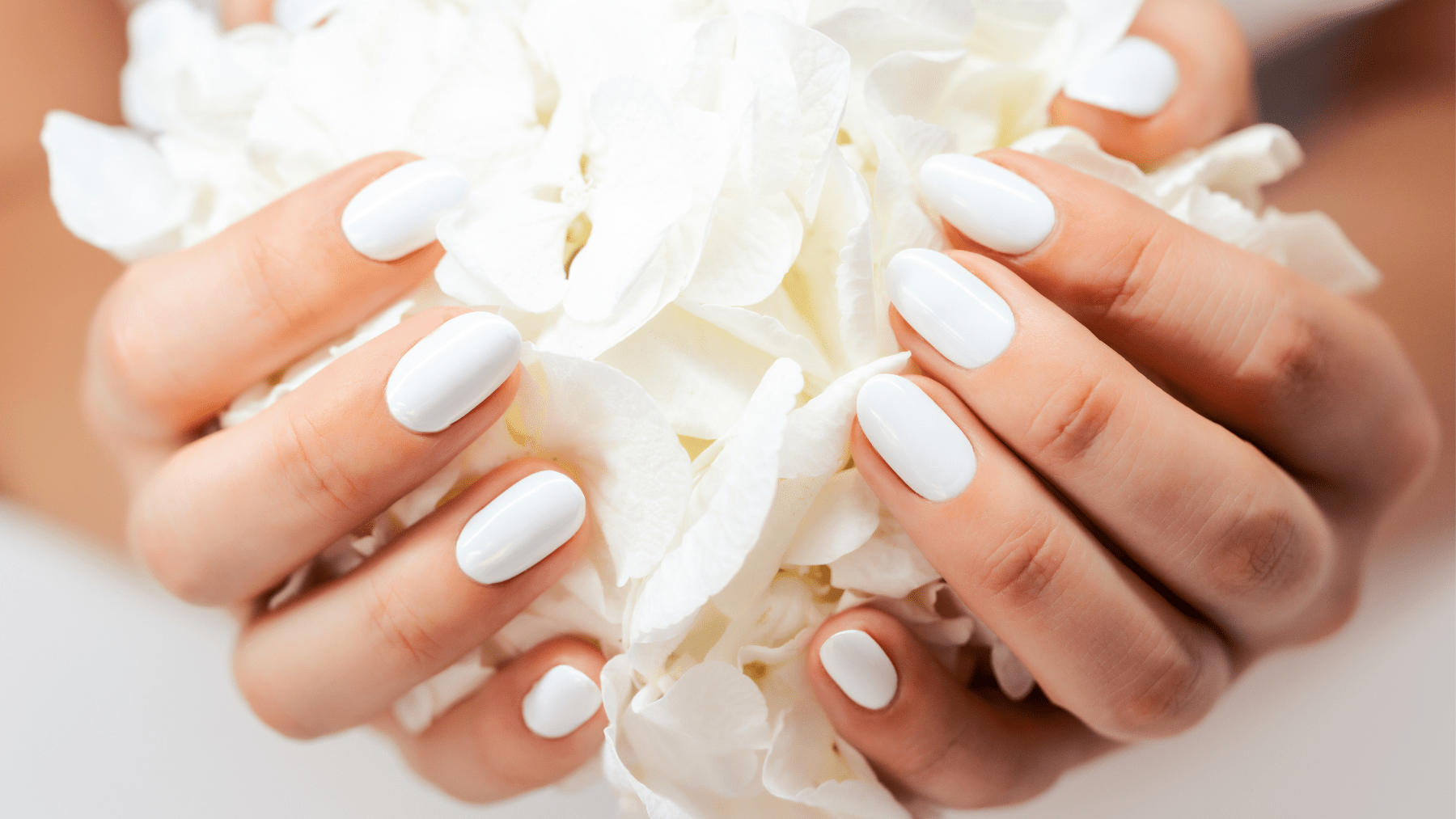
Healthy nails should have a smooth, even surface and appear pink and slightly shiny. They should be durable and slightly flexible, free of brittleness, and grow at a regular and even rate. Cuticles should be healthy and free of inflammation. The lunula (half-moon) seen on some nails, such as the thumb, may be visible, but it is not necessarily present on every nail. Furthermore, healthy nails should not show any peeling or peeling, and they should not show any discoloration such as yellowing, white spots, or bruising. The skin surrounding the nail should have a healthy appearance, free of redness or swelling. Abnormalities in these characteristics can be a sign of various health problems [4].
 Main Causes of Nail Brittleness
Nail brittleness can be caused by a variety of factors. Nutritional deficiencies are among the primary causes; biotin, iron, protein, zinc, and magnesium deficiencies, in particular, weaken nails. External and environmental factors also play a significant role; frequent exposure to water and chemicals, cold weather, and UV rays cause nails to dry out and break. Furthermore, improper nail care and physical trauma, such as harsh filing, nail biting, and improper manicures, weaken nail structure. Health conditions such as hypothyroidism, fungal infections, psoriasis, and Raynaud's disease can lead to nail brittleness. Finally, hormonal changes, especially during menopause and pregnancy, can cause nails to weaken [5,6].
Vitamin and Mineral Deficiencies
Nail health can be affected by various vitamin and mineral deficiencies. Biotin (B7) deficiency leads to brittle nails and white spots, while iron deficiency (anemia) results in spoon-shaped nails and a pale texture. Zinc deficiency manifests as white spots and horizontal lines. Calcium deficiency can cause thin and brittle nails, while magnesium deficiency can cause slow growth and vertical lines. Vitamin D deficiency leads to thin and brittle nails, and vitamin A deficiency can cause drying, peeling, and splitting. Finally, vitamin E deficiency manifests as cracked nails. Appropriate dietary sources (e.g., eggs, milk, green vegetables) are recommended to prevent these deficiencies [7,8].
Hormonal Changes
This article discusses some hormonal changes that affect nail health. Hypothyroidism causes nails to grow slowly, become brittle, and thick, while hyperthyroidism causes nails to grow thin, soft, and quickly. During menopause, decreasing estrogen levels can cause nails to dry and break. During pregnancy, changes in hormone levels can cause nails to grow quickly but become brittle. Fluctuations in estrogen and progesterone during the menstrual cycle can cause nails to dry and break periodically. Polycystic ovary syndrome (PCOS), due to increased androgen hormone levels and an estrogen imbalance, can cause nails to weaken and peel. Finally, stress and increased cortisol levels can lead to problems such as horizontal lines and slow nail growth [9].
Chemical Exposure
Constant exposure to chemicals can lead to dry, brittle nails, discoloration, and infections. Chemicals like detergents and solvents can dry nails, while caustic chemicals can cause peeling of the nail layers. Excessive nail polish use, smoking, and heavy metals can also cause discoloration. Chemicals not only slow nail growth but also increase the risk of irritation and infection around the nails. To prevent chemical damage, it's important to wear gloves, choose acetone-free nail polish remover, and moisturize nails [10].
Medical Conditions
Brittle nails can be a symptom of various medical conditions. Hypothyroidism, due to a lack of thyroid hormones, can cause nails to become dry and brittle, while hyperthyroidism can cause nails to grow thin and quickly. Psoriasis can cause peeling and splitting, and nail fungal infections can also weaken nails. Anemia can cause pale and brittle nails due to iron deficiency, and vitamin and mineral deficiencies (especially biotin, zinc, and vitamins A and D) can also negatively impact nail health. Raynaud's disease weakens nails due to poor circulation, while autoimmune diseases such as lupus erythematosus and dermatomyositis can also lead to nail deformities. Polycystic ovary syndrome (PCOS) can cause nails to weaken and break due to hormonal imbalances. Each of these conditions can compromise nail health and lead to brittleness [11].
 The Effect of Nutrition on Nail Health
Nail health is closely linked to nutrition. Adequate protein, vitamins, and mineral intake ensures strong and healthy nails. Biotin (vitamin B7), which supports keratin production, is found in foods like eggs, almonds, and avocados and thickens nails. Iron deficiency can cause spoon nails, and foods like red meat and spinach are good sources of iron. Zinc supports nail growth, and meat and seafood are rich in this mineral. Calcium and vitamin D strengthen nails; milk and sunlight are good sources. Omega-3 fatty acids, found in foods like salmon and walnuts, maintain the moisture balance of nails. Adequate water consumption also keeps nails moist. A balanced diet is important for healthy nails.
Protein Needs
Keratin, the primary component of nails, requires adequate protein intake for healthy nail formation and growth. Protein deficiency leads to thin, brittle, and slow-growing nails. Adults require 0.8–1.2 grams of protein per kilogram of body weight daily, and this amount can be increased in certain circumstances. Animal sources such as meat, fish, eggs, milk, and dairy products are the most effective sources of protein. Plant-based sources such as lentils, chickpeas, and beans can also be consumed, but multiple plant-based sources should be consumed to ensure amino acid diversity. Some amino acids that support nail health are cystine, methionine, lysine, and arginine. Protein deficiency manifests itself through symptoms such as white lines on the nails, brittleness, slow growth, and peeling [12].
Essential Vitamins
Certain vitamins are essential for healthy and strong nails. Biotin (vitamin B7) strengthens nails by increasing keratin production, while vitamin A promotes cell renewal and accelerates nail growth. Vitamin C boosts collagen production and promotes iron absorption, thus strengthening nail structure. Vitamin D hardens nails by increasing calcium absorption, while vitamin E moisturizes nails and prevents cracking. Vitamin B12 is essential for healthy nail color and helps with oxygen transport, while folic acid (vitamin B9) promotes cell renewal and promotes healthy nail growth. These vitamins are important for strong and healthy nail growth [13,14].
Mineral Balance
Certain minerals are crucial for nail health. Iron maintains nail color and structure; a deficiency leads to pale nails and is found in foods like red meat and spinach. Zinc promotes nail growth and prevents white spots and is found in meat and seafood. Calcium strengthens nails and a deficiency can cause brittle nails and is found in foods like milk and cheese. Magnesium prevents nail breakage and aids cell regeneration and is found in foods like hazelnuts and almonds. Silicon strengthens weak nails by increasing nail flexibility and is found in whole grains and green vegetables. These minerals are essential for healthy nails [13,14].
External Factors and Protection Methods
Nails can be affected by environmental and external factors. Hot and cold weather can dry nails and lead to breakage, so it's important to wear gloves. Chemical cleaning products can weaken nails, so gloves should be used to protect them. Prolonged exposure to water weakens nails, while physical trauma can also cause them to break. Excessive manicures can damage nail structure, so gentle care is essential. To maintain nail health, it's important to use moisturizers, eat a healthy diet, wear gloves, keep nails short, and avoid prolonged contact with water [15].
Protection from Detergents and Chemicals
Detergents and chemical products can dry out nails, weaken them, and cause them to break. Prolonged exposure to chemicals can cause sensitivity in the skin and nails. Wearing gloves is the most effective method for protecting against chemical contact; cotton-lined gloves are preferred. Additionally, using natural cleaning products and washing and moisturizing your hands after cleaning are beneficial. Keeping your nails short also increases protection against chemicals. Washing your hands immediately after contact with chemicals protects your nails. These simple precautions help keep your nails healthy [16].
Preventing Mechanical Damage
Nails need to be carefully protected to prevent mechanical damage. Keeping nails short and properly shaped reduces the risk of breakage. Wearing gloves during cleaning or heavy work protects nails. Avoiding contact with hard surfaces prevents nail breakage. Furthermore, avoiding using nails as tools and using protective nail polish or nail strengthening products strengthens nails. Regular care is important to keep cuticles moisturized and nails flexible and durable [17].
 Natural Care Tips
Moisture Support with Olive Oil
Olive oil moisturizes and strengthens nails and softens cuticles. Massage it into your nails every night, leave it on for a few minutes, and then rinse.
Lemon and Olive Oil Mixture
This duo whitens, nourishes, and moisturizes nails. Mix 1 teaspoon of olive oil with a few drops of lemon juice, apply it to your nails, and leave it on for 10-15 minutes.
Deep Conditioning with Coconut Oil
Coconut oil prevents nails from drying out and strengthens them. Massage it into your nails at night and leave it on overnight.
Soothing Effect with Aloe Vera
Aloe vera gel moisturizes nails and soothes cuticles. Apply fresh aloe vera gel to your nails and wait 10-15 minutes.
Revitalizing Support with Green Tea
Rich in antioxidants, green tea strengthens nails and promotes healthy growth. Steep a green tea bag in hot water for 5 minutes. Once cooled, soak your nails in it for 10-15 minutes.
Honey and Sugar Scrub
A mixture of honey and sugar softens nails with its moisturizing and exfoliating properties. Massage a mixture of 1 teaspoon of honey and 1 teaspoon of sugar into your nails. Leave it on for 5 minutes, then rinse.
Gain Strength with Garlic
Garlic strengthens nails, prevents breakage, and reduces the risk of infection. Crush a clove of garlic, rub it on your nails, leave it on for 5-10 minutes, and then rinse.
[18, 19]
With Nourishing Oil
Strengthen Your Skin with Argan Oil
Antioxidant-rich argan oil strengthens nails and helps prevent breakage. Massage a few drops into your nails and cuticles.
Softness with Sweet Almond Oil
Sweet almond oil nourishes, moisturizes, and softens brittle nails. Gently massage into your nails.
Flexible and Durable Nails with Jojoba Oil
Jojoba oil adds flexibility to nails, moisturizes them, and prevents cracking. Gently apply to nails and cuticles and leave on overnight.
Healthy Growth with Vitamin E Oil
Vitamin E oil supports healthy nail growth by promoting cell regeneration. You can apply it directly to nails or use the oil in capsule form.
Protective Effect of Lavender Oil
Lavender oil strengthens nails, softens cuticles, and protects against infection. Massage it into cuticles or mix it with other nourishing oils.
Natural Masks
1. Olive Oil and Lemon Mask
Ingredients: 1 tablespoon olive oil, 1 teaspoon lemon juice
Benefits: While olive oil moisturizes, lemon whitens and strengthens nails.
Preparation and Application: Mix olive oil and lemon juice. Apply the mixture to your nails and cuticles. Wait 10-15 minutes, then wash with warm water [20].
2. Honey and Sugar Exfoliating Mask
Ingredients: 1 tablespoon of honey, 1 tablespoon of sugar
Benefits: While honey has moisturizing properties, sugar provides a natural peeling effect, softens and revitalizes the nails.
Preparation and Application: Mix honey and sugar, apply to your nails by gently massaging. Wait 5-10 minutes, then rinse with water [21].
3. Coconut Oil and Vitamin E Mask
Ingredients: 1 tablespoon coconut oil, 1 vitamin E capsule
Benefits: Coconut oil moisturizes and nourishes, while vitamin E strengthens nails.
Preparation and Application: Slightly warm the coconut oil and mix it by opening the vitamin E capsule. Apply it to your nails and cuticles. Leave it on for 15-20 minutes, then rinse [22].
4. Aloe Vera Mask
Ingredients: Fresh aloe vera gel (or aloe vera oil)
Benefits: Aloe vera nourishes, moisturizes, and strengthens nails. It also softens cuticles and provides a soothing effect.
Preparation and Application: Apply fresh aloe vera gel to your nails and cuticles. Leave it on for 10-15 minutes, then rinse [23].
5. Garlic Mask
Ingredients: 2 cloves of garlic, 1 tablespoon of olive oil
Benefits: Garlic strengthens nails and prevents them from breaking. Olive oil moisturizes.
Preparation and Application: Crush the garlic and mix it with olive oil. Apply it to your nails, wait 10-15 minutes, then rinse [24].
Nail Care Routine
Regular care is important to maintain nail health. It's important to clean nails, carefully remove old nail polish, and avoid excessive acetone use. Gently pushing back cuticles, regularly cutting, and filing them in a rounded shape prevents breakage. Natural oils like olive oil and coconut oil can be used for moisturizing. You can support repair with a nail care pen . It's important to apply a mask weekly, protect your nails from chemicals with gloves, and avoid using your nails as tools. A diet rich in protein, biotin, zinc, and vitamin E supports nail health. Applying a base coat and giving your nails a break from time to time is beneficial when using nail polish. If changes or problems are noticed, consult a dermatologist [25].
When Should You Consult a Specialist?
Professional help may sometimes be necessary to maintain nail health. If you notice discoloration, deformities, or abnormal growth in your nails, you should consult a dermatologist. Pain, swelling, redness, or pus formation can be signs of infection and require professional help. Furthermore, sudden nail loss or weakening can indicate nutritional deficiencies or health problems. Persistently breaking or cracking nails or cuticle infections also require professional treatment. Nail fungus can manifest as yellowing, thickening, or a foul odor and requires treatment. If the nail is injured and bruised or bleeding, consult a specialist. Additionally, nutritional issues or dietary changes can cause weakened nails, and professional help should be sought in these cases. In the event of any of these symptoms, seeking help from a dermatologist or nail specialist is the right step.
References
1. de Berker D. (2013). Nail anatomy. Clinics in dermatology, 31(5), 509–515. https://doi.org/10.1016/j.clindermatol.2013.06.006
2. Fleckman, P., & Allan, C. (2001). Surgical anatomy of the nail unit. Dermatologic surgery: official publication for American Society for Dermatologic Surgery [et al.], 27(3), 257–260.
3. Turkish Clinics. (ty). Nail anatomy and structure. Turkish Clinics. https://www.turkiyeklinikleri.com
4. https://www.healthline.com/health/how-to-strengthen-nails
5. Medicover Hospitals. (ty). Brittle nails: Causes, treatment, and symptoms. Medicover Hospitals. Access address: https://www.medicoverhospitals.in
6. Buzoğlu, H. (ty). Brittle nails, causes, treatment. Hakan Buzoğlu. Access address: https://hakanbuzoglu.com.tr
7. Medicover Hospitals. (ty). Vitamin Deficiencies and Brittle Nails. Access address: https://www.medicoverhospitals.in/tr/articles/brittle-nails-vitamin-deficiency
8. Vogue Türkiye. (2019, September 10). Which Vitamins and Minerals Should Be Used for Nail Health?. Access address: https://vogue.com.tr/dilara-kocak/tirnak-sagligi-icin-hangi-vitamin-ve-mineraller-kullanilmali
9. Darwyn Health. (2023). How Hormonal Imbalances Can Affect the Health of Your Nails. Available at: https://www.darwynhealth.com/skin-health/skin-disorders/nail-disorders/causes-of-nail-disorders/how-hormonal-imbalances-can-affect-the-health-of-your-nails/?lang=en
10. Doğanel Aksoy, S., Karaman, S., Pulat İmamoğlu, S., & Yılmaz, S. (2018). Adverse health effects of cosmetics and personal care products and their safe use. Gümüşhane University Journal of Health Sciences, 7(1), 1-10.
11. Medical Park Hospitals Group. (nd). Which disease is a sign of brittle nails? Retrieved from https://www.medicalpark.com.tr/tirnak-kirilmasi-hangi-hastaligin-belirtisidir/hg-4574?utm_source=chatgpt.com
12. Kaur, I., & Rani, P. (2021). Amino acids and their role in nail health: A review. Journal of Dermatological Treatment, 32(4), 308-313. https://doi.org/10.1080/09546634.2021.1903227
13. Broughton, KA, & Cahill, K. L. (2019). The impact of vitamins and minerals on nail health. Nutritional Journal, 18(1), 15. https://doi.org/10.1186/s12937-019-0501-3
14. Gupta, M., & Baran, R. (2016). The role of biotin in nail health: A review. Journal of Dermatology and Clinical Research, 2(2), 106-109. https://doi.org/10.1016/j.jderm.2014.03.003
15. Khandpur, S., & Dhumal, G. (2018). Environmental factors and their impact on nails. Indian Journal of Dermatology, Venereology, and Leprology, 84(4), 469-477. https://doi.org/10.4103/ijdvl.IJDVL_237_18
16. Warshaw, E.M., & Zug, K.A. (2012). Dermatitis due to contact with detergents and cleaning agents. Dermatitis, 23(5), 234–241. https://doi.org/10.1097/DER.0b013e318266be7f
17. Wang, X., & Zhang, L. (2018). Protective measures for nail health: A focus on mechanical damage and cosmetic products. Dermatologic Therapy, 31(4), 113-118. https://doi.org/10.1111/dth.12472
18. https://bioder.com/epilation/blog/cilt-bakimi-hakkinda/guclu-tirnaklar-icin-bakim-onerileri?utm_source.
19. https://www.wikihow.com/Care-for-Your-Nails
20. Shenefelt, P. D. (2011). Herbal treatment in dermatology. American Journal of Clinical Dermatology, 12(6), 381–395. https://doi.org/10.2165/11593300-000000000-00000
21. Bogdanov, S., Jurendic, T., Sieber, R., & Gallmann, P. (2008). Honey for nutrition and health: A review. Journal of the American College of Nutrition, 27(6), 677–689. https://doi.org/10.1080/07315724.2008.10719745
22. Nevin, K. G., & Rajamohan, T. (2010). Effect of topical application of virgin coconut oil on skin components and antioxidant status during dermal wound healing in young rats. Skin Pharmacology and Physiology, 23(6), 290–297. https://doi.org/10.1159/000313516
23. Surjushe, A., Vasani, R., & Saple, D. G. (2008). Aloe vera: A short review. Indian Journal of Dermatology, 53(4), 163–166. https://doi.org/10.4103/0019-5154.44785
24. Harris, R., & Cottrell, S. (2012). The antimicrobial properties of garlic and its relevance in dermatology. International Journal of Dermatology, 51(4), 393–398. https://doi.org/10.1111/j.1365-4632.2011.05069.x
25. Rich, P. (2013). Nail disorders that may mimic fungal nail infections. American Journal of Clinical Dermatology, 14(5), 339–346. https://doi.org/10.1007/s40257-013-0032-y
26. Wollina, U., Nenoff, P., Haroske, G., & Haenssle, H. A. (2016). The Diagnosis and Treatment of Nail Disorders. Deutsches Arzteblatt international, 113(29-30), 509–518. https://doi.org/10.3238/arztebl.2016.0509
27. Türkiye Clinics. Nail Care and Cosmetics. Türkiye Clinics. https://www.turkiyeklinikleri.com/article/tr-tirnak-bakimi-ve-kozmetikleri-48273.html
28. Uplifers. What nails say about health.
https://www.uplifers.com/tirnaklar-saglik-hakkinda-ne-soyluyor
29. New Century. (December 10, 2024). Get strong nails with natural care: What nourishes nails best.
https://www.yeniasir.com.tr/saglik/2024/12/10/dogal-bakimlarla-guclu-tirnaklara-kavusun-tirnaklari-en-iyi-ne-besler


