

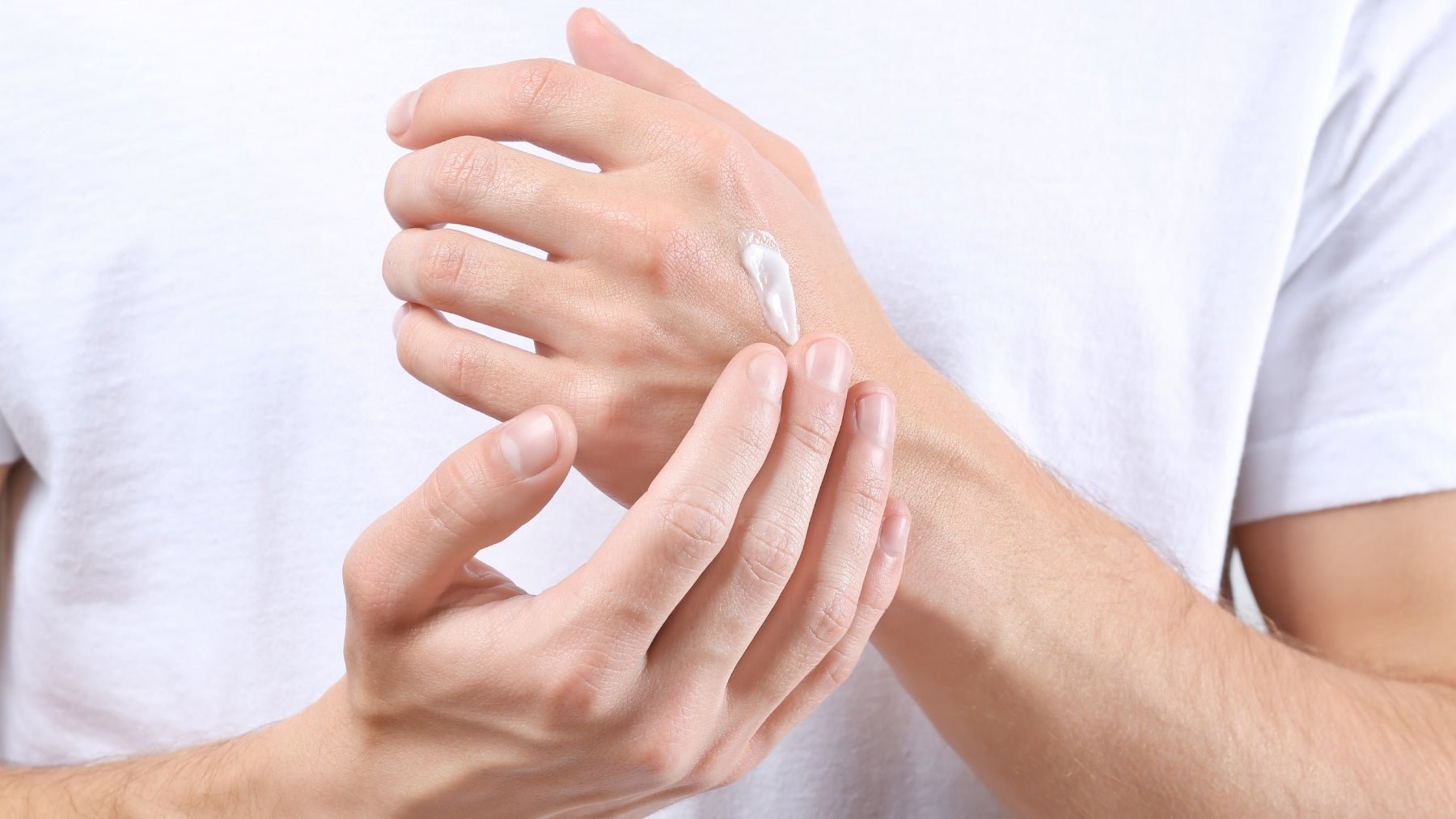
Skin is our largest organ, covering the body's surface, and is the first point of contact with the external environment. Chemicals, soaps, clothing, and high or low temperatures come into contact with our skin first[1]. Our skin acts as an important barrier, protecting the body from the ingress of various external chemicals and compounds and also preventing fluid and electrolyte loss from the internal environment[2]. Healthy skin owes its elasticity and softness largely to its water content. The outermost layer of the skin, thanks to the oils it contains, slows water evaporation and helps retain moisture in the lower layers. When this oil layer is depleted, the skin becomes dry. If dry skin is not due to a hereditary disease or another health problem, this condition is called "xeroderma"[3].
Doctors and pharmacists are frequently asked about dry skin (xerosis, xeroderma). Regardless of age or gender, dry skin is more common in the elderly, affecting perhaps 75% of people aged 64 and over[4].
The symptoms of dry skin manifest as symptoms that become more severe as the condition persists and/or worsens. When the skin is extremely dry, the hands initially become red[5]. So why do hands crack? Cracks are thin, superficial, similar to those seen on antique porcelain (eczema cracks) and are caused by moisture loss from the skin's surface. These cracks can form along and accentuate natural skin lines, leaving the skin feeling rough and uneven[6,7]. If dryness persists, the skin becomes tight, and flaking or peeling begins to appear. As the cracks widen and deepen, they eventually reach the depths of the dermal capillaries. Bleeding occurs due to abrasion at this depth. Itching resulting from dryness is common and can be severe. Scratching to relieve it can cause peeling of the skin and infection[8,9].
Many people today complain of dry hands. Therefore, in this article, we've covered the causes of dry hands and what can be done to treat them.
The first treatment for dry and cracked hands is to moisturize them frequently and regularly with a good moisturizer. Moisturizers are available from many cosmetic brands, multi-cosmetic companies, and even pharmaceutical companies. Finding the right moisturizer for you and using it frequently throughout the day is crucial for treating dry hands. When choosing a moisturizer, it's best to choose brands that don't conduct animal testing, don't use hormone-disrupting or harmful chemicals like alcohol, parabens, SLS, and SLES, don't harm the environment, and can provide information about their sustainability policies .
 What are the main causes of dry and cracked hands?
Hands can dry and crack for many reasons. So, what are the causes of dry hands? Cold or hot weather, wind, frequent handwashing and disinfectant use, certain chemicals and allergens, and conditions like psoriasis and eczema are among the causes of dry, cracked hands. Insufficient water consumption is also a contributing factor to dry skin. Let's examine these causes in more detail.
Effect of Weather Conditions: Cold, Wind and Dry Air
The question of why hands dry in winter may be on many people's minds. Winter is a peak time for dry skin complaints due to low humidity in the air and heating systems that force hot, dry air into homes or workplaces[5]. However, frequent use of air conditioning in the summer also removes most of the moisture from the air, leading to dry skin[1,5]. Maintaining a certain level of humidity will prevent our hands from drying out. Therefore, using humidifiers or placing a bowl of water on the radiators in the house, especially during the winter months, is helpful. Sunlight also dehydrates the epidermis, worsening dry skin[6]. Therefore, in addition to moisturizers, it's important to use sunscreen and reapply it every two hours.
The Role of Frequent Hand Washing and Disinfectant Use
Frequent handwashing can cause dry hands. Surfactants and soaps used for handwashing also reduce surface skin oils and negatively affect skin proteins[10]. Patients with dry hands should switch from overly irritating soaps and cleansers to milder soaps and minimize the amount of soap they use when washing their hands[11]. Because the use of harsh towels causes unacceptable friction on the skin, patients should be advised to dry their skin gently. Furthermore, because cold water dries the skin less than hot water, the use of cold water may be recommended[10]. Individuals who work in professions that frequently involve contact with water or perform wet tasks, such as wearing rubber gloves for more than two hours a day, are at risk and are advised to use appropriate gloves, frequently air their hands, and regularly use moisturizers. Disinfectant products can also cause dry hands. Individuals with dry hands should carefully select and use disinfectant products.
Chemicals and Allergens Contacted in Daily Life
Many chemicals erode the skin surface, disrupting its integrity and causing cracks. Soaps and detergents, colognes, and disinfectants are examples of these chemicals. Contact allergens include metals, preservatives, rubber chemicals, hair dyes, epoxies, and acrylates[12]. Skin contact with highly acidic foods and proteins such as latex can also cause contact dermatitis[13].
The Effect of Skin Disorders Such as Eczema and Psoriasis
Eczema is a common disease, with an annual prevalence of 9% in the adult European population[14]. Eczema is a complex disease in which both individual and environmental factors play a role. It is characterized by disruptions in the skin barrier, immune system, and skin microbiome[15,16].
The goals of treating dry hands caused by eczema are to reduce inflammation, relieve itching, reduce its severity, and prevent recurrence. Environmental factors identified as triggers of eczema should be limited or eliminated[12]. All patients with eczema should receive education on skin care and protection.
 What is Intensive Moisture Therapy and What are its Benefits for Hands?
Hand care for dry skin is crucial for a person's quality of life. Creams that reach deeper layers of the skin, providing deep, rather than superficial, moisturization, can be recommended for those with severe cracked hands. Thanks to intensive moisture therapy, people with dry hands can see faster results. Intensive moisture therapy products not only moisturize the skin more quickly but also maintain moisture for longer periods of time. Creams with these properties are effective for treating people with severely dry hands or those who, due to their profession, cannot moisturize their hands frequently.
Methods to Restore Moisture Lost by the Skin
First, it's important to identify the factors that can cause excessive dry hands. This allows us to address each cause individually and follow a healthier path. If the air in your home is dry, we can use humidifiers. We should avoid using excessively hot or cold water and use soaps that are less likely to irritate our hands. If we use disinfectant products, we should choose those more suitable for sensitive skin. We should not forget to use sunscreen to protect ourselves from the sun's rays and reapply it frequently. We should drink 2 liters of water daily. Most importantly, we should remember to use skin-friendly dry hand care products .
Repairing and Strengthening the Barrier Function of Hand Skin
The answer to the question of how to treat dry hands is actually to repair and strengthen the skin's barrier function. The answer to the question of what helps cracked hands is the same: regular moisturizer use. The net effect of moisturizer use is softening the skin. Moisturizing ingredients include mineral oils (e.g., liquid paraffin, petrolatum), waxes (e.g., lanolin, beeswax, carnauba), long-chain esters, fatty acids, and mono-, di-, and triglycerides. Moisturizers hydrate the stratum corneum through a hygroscopic effect, improving its elasticity. Moisturizing ingredients include alpha-hydroxy acids such as lactic acid, glycolic acid, and tartaric acid, as well as urea, glycerin, and propylene glycol [6]. Depending on the moisturizer's effectiveness, these compounds can be used alone or in combination.
Stubborn Dry Hands: When to See a Doctor?
In fact, you should see a doctor when your daily routine starts to be disrupted, when the redness in your hands becomes more severe and begins to dry, when you feel discomfort when gripping due to tension, when this dryness turns into a persistent dry hand problem that does not improve despite the products you use, when cracks appear or when these cracks begin to bleed.
Conditions That Do Not Respond to Home Treatments
The products you use to repair your hand skin barrier may not always be suitable. If you can't find the right product for you or if you use products that contain ingredients that can cause skin sensitivity, your treatment may progress slowly. In such cases, you should closely monitor your progress and consult with specialists such as your doctor and pharmacist to find the best moisturizer for you. If you have conditions like eczema, home treatments may not be sufficient, so you should see a doctor as soon as possible.
Signs of Infection: Severe Redness, Swelling, Pain, or Discharge
If left untreated, dry hands can crack over time, and these cracks can progress and lead to bleeding. The itching caused by dryness causes a person to constantly scratch their hands. If hands are not sufficiently clean, this increases the risk of infection. When an infection develops, symptoms such as severe redness, swelling, pain, and discharge occur. The infected area becomes noticeably red and swollen, and pain may be felt along with the itching. If left untreated, the infection can progress, leading to pus formation and spread. Therefore, if you notice such symptoms, you should consult a doctor immediately and receive the recommended treatment regularly.
References
1. Egawa M, Oguri M, Kuwahara T, Takahashi M. Effect of exposure to human skin in a dry environment. Skin Res Technol. 2002;8:212-218.
2. Rawlings AV, Harding CR. Moisturization and skin barrier function. Dermatol Ther. 2004;17(Suppl 1):43-48.
3. Dinulos, JGH. 2025. Dry Skin (Xeroderma), https://www.merckmanuals.com/home/skin-disorders/cornification-disorders/dry-skin-xeroderma. Access date: 30.05.2025
4. Heymann WR, Gans EH, Manders SM, et al. Xerosis in hypothyroidism: a potential role for the use of topical thyroid hormone in euthyroid patients. Med Hypotheses. 2001;57:736-739.
5. Norman R.A. Xerosis and pruritus in the elderly: recognition and management. Dermatol Ther. 2003;16:254-259.
6. Ademola J, Frazier C, Kim SJ, et al. Clinical evaluation of 40% urea and 12% ammonium lactate in the treatment of xerosis. Am J Clin Dermatol. 2002;3:217-222.
7. Lodén M. Role of topical emollients and moisturizers in the treatment of dry skin barrier disorders. Am J Clin Dermatol. 2003;4:771-788.
8. Grove G, Zerweck C. An evaluation of the moisturizing and anti-itch effects of a lactic acid and pramoxine hydrochloride cream. Cutis. 2004;73:135-139.
9. Moses S. Pruritus. Am Fam Physician. 2003;68:1135-1142.
10. Derk CT, Vivino FB. A primary care approach to Sjögren's syndrome: helping patients cope with sicca symptoms, extraglandular manifestations. Postgrad Med. 2004;116:49-54, 59, 65.
11. National Library of Medicine. Dry skin. Available www.nlm.nih.gov/medlineplus/ency/article/003250.html
12. Carøe TK, Ebbehøj N, Agner T. A survey of exposures related to recognized occupational contact dermatitis in Denmark in 2010. Contact Dermatitis. 2014;70(1):56-62. https://doi.org/10.1111/cod.12134
13. Johansen, J.D. 2025. Håndeksem. Weekly Doctors. 187:V10240682. doi: 10.61409/V10240682 https://ugeskriftet.dk/videnskab/haandeksem Access date: 30.05.2025
14. Quaade AS, Wang X, Sølberg JBK et al. Circulating biomarkers are associated with disease severity of chronic hand eczema and atopic dermatitis. BrJ Dermatol. 2023;189(1):114-124. https://doi.org/10.1093/bjd/ljad110
15. Tauber M, Bérard E, Lourari S et al. Latent class analysis categorizes chronic hand eczema patients according to skin barrier impairment. J Eur Acad Dermatol Venereol. 2020;34(7):1529-1535. https://doi.org/10.1111/jdv.16083
16. Nørreslet LB, Edslev SM, Andersen PS et al. Colonization with Staphylococcus aureus in patients with hand eczema: prevalence and association with severity, atopic dermatitis, subtype and nasal colonization. Contact Dermatitis. 2020;83(6): 442-449. https://doi.org/10.1111/cod.13679


